A natural hairline is designed, not copied. The surgeon sets the front point, the temple angles and a soft zone of single hairs, then angles every graft the way your own hair grows. It also has to suit you at 50, not just at 25. If you’re weighing surgery against non-surgical hair replacement in Thane, the hairline is where a good plan shows.
Most people judge a hair transplant by the hairline, because that’s the part everyone sees. A front edge that looks like a straight row of plugs gets noticed across the room.
So what makes a hairline pass for your own? Mostly planning, plus a few rules surgeons learn in specialist training.
What does hairline design actually involve?
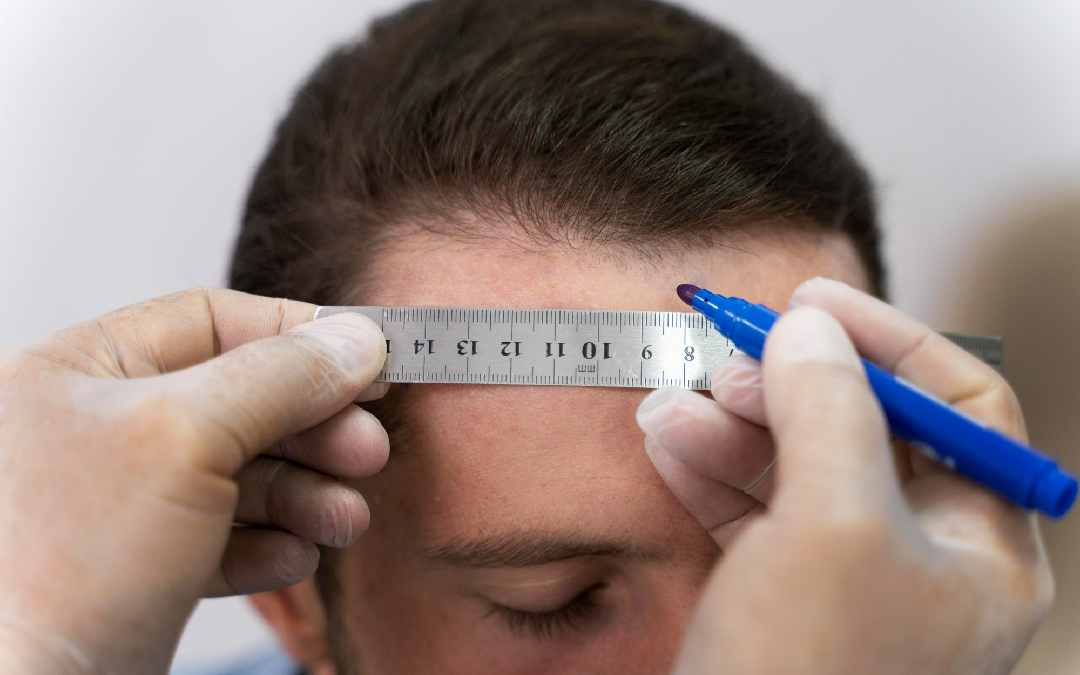
Hairline design means marking where the new front edge will sit, how it curves into the temples, and how density fades from fine single hairs at the front to fuller grafts behind. It’s drawn on the scalp before surgery and agreed with you, then every graft is placed at the angle and direction of natural hair.
There are four parts to it, and each one can make or break the result.
The frontal point and height
The middle of the hairline usually sits where the forehead starts to curve back, not where you remember it from school. Setting it too low is the classic mistake. It looks great for a couple of years, then the hair behind it thins and the low line ends up stranded.
The temples
Temple points and the angle where the hairline meets them frame the face. A hairline that runs straight across with no recession at the temples looks youthful on a teenager and odd on a 45-year-old. Surgeons usually keep some temple recession for men, because almost every adult male hairline has it.
The transition zone
Real hairlines don’t start with a hard edge. They begin with a few millimetres of scattered single hairs and get denser behind. Surgeons place single-hair grafts at the very front and save two and three-hair grafts for the zone behind.
Angle and direction
Hair at the front grows forward and slightly sideways, at a low angle to the skin. Each recipient site is cut to match. Get the angle wrong and the hair sticks up, even when the density is right.
Why does a natural hairline look slightly uneven?
A natural hairline is never perfectly symmetrical, and a transplant that’s mirror-perfect can look artificial. Hair direction usually differs from left to right, and the edge itself is irregular, with small bays and points rather than a ruler-straight line.
A 2025 study of 125 men who’d never had hair surgery measured hair growth direction along the hairline and found an average left-to-right difference of 22.2 degrees, with only 8.8% leaning the other way. The authors’ point was simple: designing to perfect symmetry works against what a real hairline looks like.
In practice, surgeons build in a few things on purpose:
- Micro-irregularity: A slightly zig-zag front edge instead of a smooth curve.
- Matched direction: Grafts angled to follow how your existing hair on each side already grows.
- Feathered density: Sparse at the very edge, denser a few millimetres back.
If you’re comparing clinics, ask to see how they mark the hairline before surgery.
How is a hairline planned for your age and future hair loss?
A hairline is planned for the hair you’ll have in 20 years, not just the hair you have now. Pattern hair loss usually keeps progressing, so the surgeon sets a height and temple shape that will still look right if the hair behind continues to thin, and keeps donor grafts in reserve.
The table shows how the approach usually shifts.
| Your situation | What the surgeon usually does | Why |
| Early 20s, loss still active | Often advises medical treatment first and waits | The final pattern isn’t clear yet |
| 30s, receding temples, stable loss | Conservative front point, soft temple recession | Leaves room for future thinning |
| 40s and older, stable pattern | Mature hairline with natural recession | Suits the face at this age and later |
| Limited donor supply | Prioritises the front third | Puts grafts where they’re most visible |
Most hair transplant clinics in Thane will discuss graft numbers. Fewer talk about what happens if your crown thins in 10 years. At Dr Prratyush More’s clinic, that conversation happens before anyone picks up a marker.
If you’re still at the stage of working out what’s causing your hair loss, an assessment with a trichologist is the sensible first step. You can read how that works on the trichology assessment page, and there’s no pressure to decide on surgery on the first visit.
How do women’s hairlines differ from men’s?
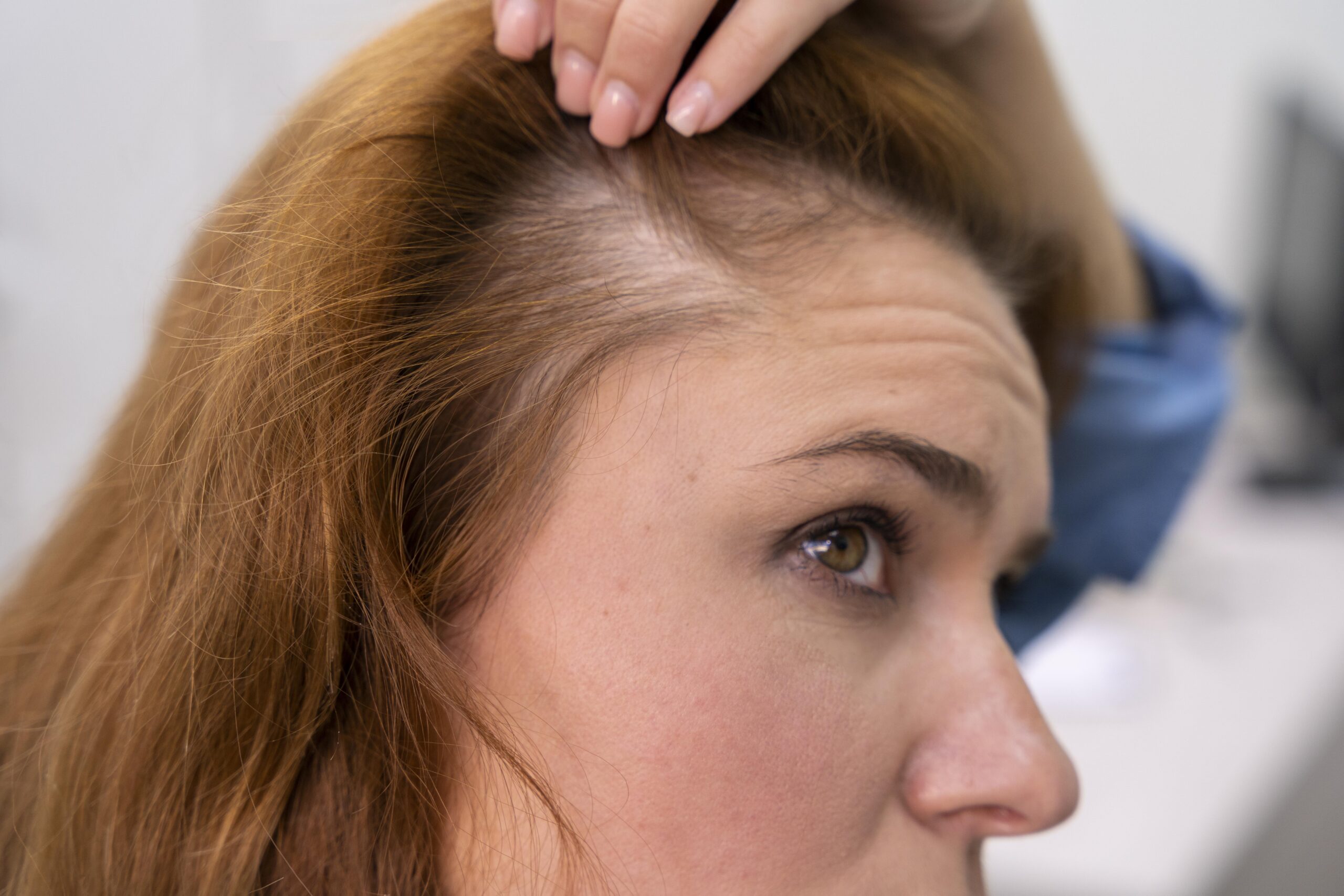
Women’s hairlines are usually rounder, sit lower relative to the face, and have little or no temple recession. A woman’s hairline restoration is often about lowering a high forehead or filling the temples, rather than rebuilding a receded front, so the design rules change.
Female hairline surgery tends to focus on:
- Shape: A rounded or gently curved front rather than an M-shape.
- Temple fill: Softening temple corners that look too deep.
- Direction around partings: Hair near the front often swirls, and grafts have to follow it.
A 2026 study of 36 women who had hairline correction found only 2 needed a touch-up for density, with no infection, scarring or shock hair loss reported. Small numbers, but it shows careful design can deliver results women are happy with. There’s more detail on our female hair transplant page.
Is there a non-surgical hair replacement option in Thane if you’re not ready for surgery?
Yes. Non-surgical options include prescription medicines, GFC or PRP injections, and cosmetic hair systems or toppers. They don’t create a new hairline, but medical treatment can slow thinning and thicken what you already have, which sometimes delays or reduces the need for surgery.
Here’s how the main non-surgical routes compare:
| Option | What it does | What it can’t do |
| Medicines (topical or oral) | Slows loss, can thicken existing hair | Regrow a fully bald hairline |
| GFC or PRP injections | May improve thickness in early thinning | Replace lost follicles |
| Hair systems and toppers | Instant cosmetic coverage | Grow hair; needs upkeep |
Medical treatment matters even if you go ahead with surgery, because the hair around a transplant keeps ageing. A trichologist in Thane can help you protect the native hair so the new hairline doesn’t end up standing alone. Our page on GFC and PRP sessions explains what those sessions involve.
FAQs
How long does it take to see the new hairline after a transplant?
Most transplanted hairs shed in the first few weeks, which is normal. New growth usually starts at three to four months, and the hairline looks close to final between 12 and 18 months after surgery.
Can a hairline transplant look completely natural?
Yes, when it’s designed well. Single-hair grafts at the front, correct angles, a slightly irregular edge and an age-appropriate height are what make a transplanted hairline hard to tell apart from natural hair.
Will I need more surgery if my hair keeps thinning?
Possibly. Pattern hair loss often continues behind the transplanted area. Ongoing medical treatment helps, and a well-planned first surgery keeps donor grafts in reserve in case a second session is needed later.
Is hairline design different for women?
Yes. Women’s hairlines are usually rounder with little temple recession, so the focus is often lowering a high forehead or filling temple corners. Graft direction near partings and swirls also needs careful planning.
Who is a poor candidate for a hairline transplant?
People with rapidly progressing untreated loss, active alopecia areata, too little donor hair, or expectations of a teenage hairline are usually advised against surgery or asked to wait until things stabilise.
Hairline planning at our Vasant Vihar clinic
Dr Prratyush More trained in hair loss treatment and FUE hair transplant surgery in Israel in 2018 under Dr Alex Ginzburg. That training covered hairline design, graft handling and the medical side of hair loss, and it shapes how every hairline here is planned.
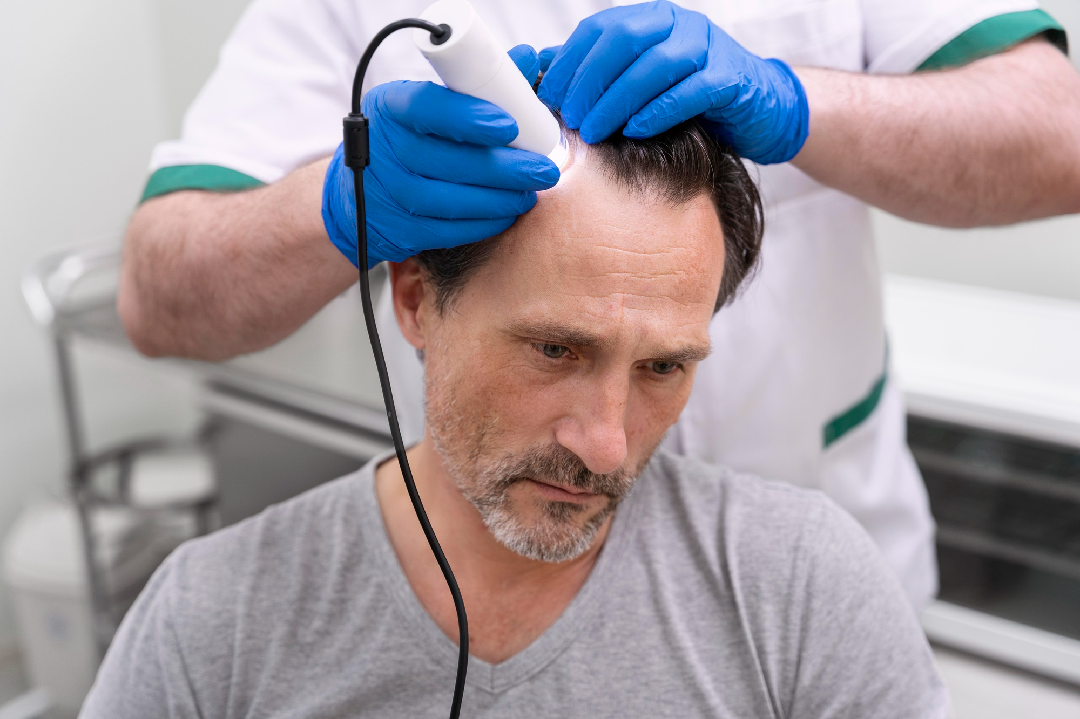
Each patient is examined first, with trichoscopy and a donor assessment, before a hairline is proposed. The hairline is marked, photographed and agreed with you before surgery. The doctor examines every patient and performs or directly supervises every step, and you get a written estimate after the examination. There are no package deals or limited-time offers, just a plan built around your face, your age and your donor hair.
A good hairline should still look right decades from now, and that comes down to planning more than graft count. If you’d like your own hairline mapped and a straight answer on whether you need surgery at all, schedule an appointment for a hair loss consultation, and you’ll leave knowing your options.