Pigmentation disorders are conditions where patches of skin become darker or lighter than the surrounding skin, most commonly as dark spots or patches. The main types are melasma, post-inflammatory hyperpigmentation, and sun-induced spots, usually caused by sun exposure, hormones, or skin inflammation. They are extremely common in Indian skin and very treatable, but they need a dermatologist’s care, since the wrong treatment can worsen pigmentation rather than fix it.
Dark patches, uneven tone, spots that will not fade? Pigmentation is one of the most common skin concerns, especially for Indian skin.
The frustrating part is that pigmentation is easy to worsen with the wrong products or treatments. Getting it right takes an understanding of the type and cause, which is exactly where a dermatologist helps.
This guide explains the main pigmentation disorders, what causes them, and how they are treated safely.
What are pigmentation disorders?
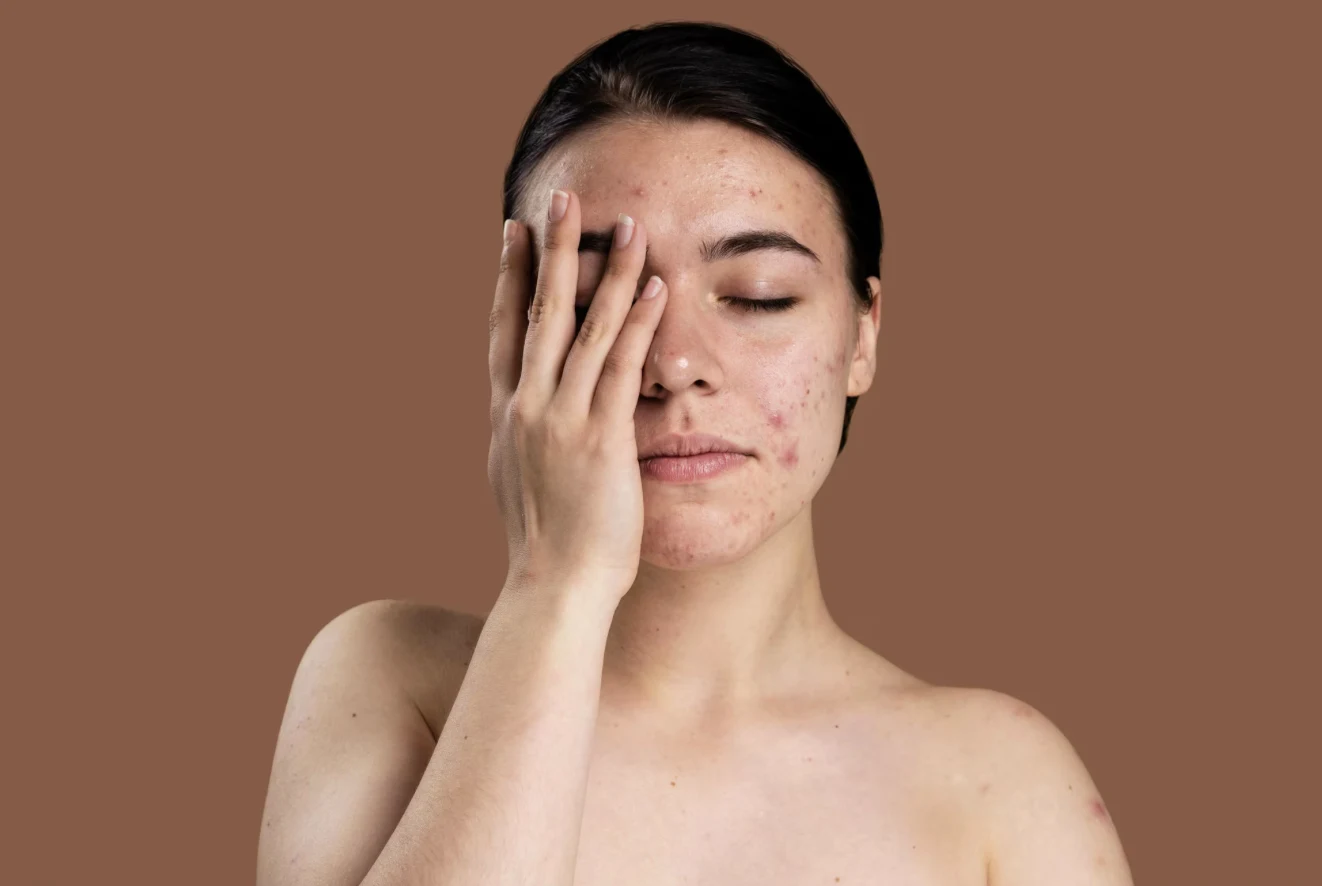
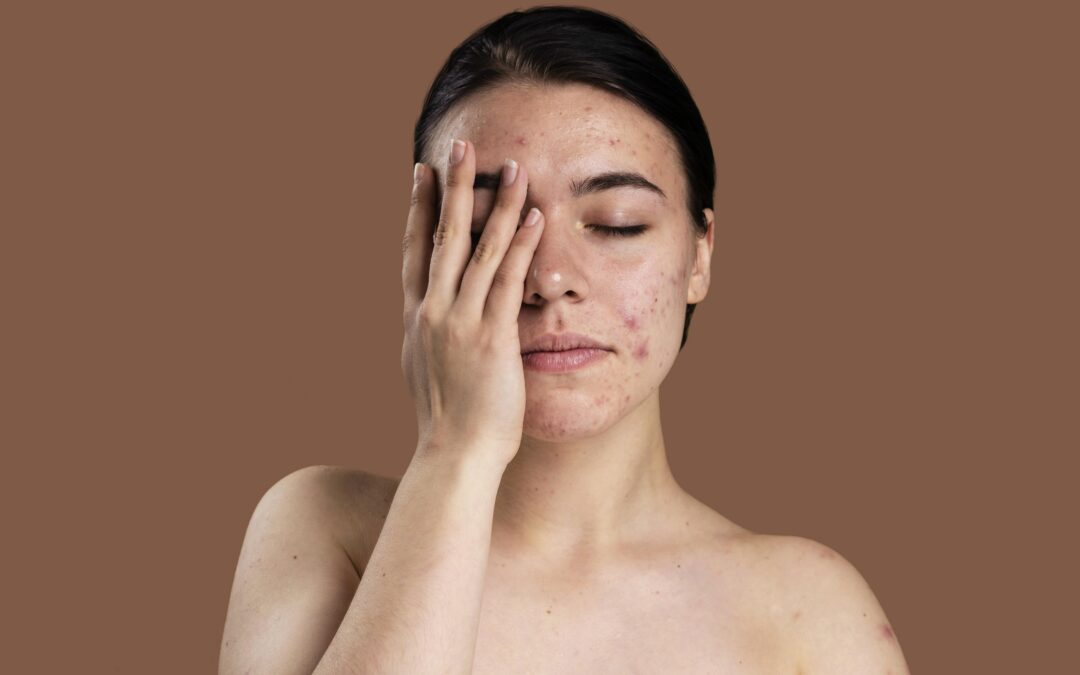
Pigmentation disorders are conditions where the skin produces too much or too little melanin, the pigment that gives skin its colour. The most common form is hyperpigmentation, where patches of skin become darker than normal. These appear as spots, patches, or uneven tone, and are especially common and visible on darker Indian skin.
Melanin is what determines your skin tone.
When melanin production becomes uneven, whether from sun, hormones, or inflammation, it creates darker or lighter areas. Hyperpigmentation, the darkening type, is by far the most common concern.
Indian skin is particularly prone to this. In fact, more than 80% of the Indian population shows some facial pigmentation unevenness, which is why pigmentation is such a frequent reason to see a dermatologist.
What are the main types of pigmentation disorders?
The main types of hyperpigmentation are melasma (hormone and sun-related brown patches), post-inflammatory hyperpigmentation (dark marks left after acne or injury), and sun-induced spots. Each has a different cause and needs a slightly different treatment approach, which is why accurate diagnosis matters before starting any treatment.
Melasma and post-inflammatory hyperpigmentation are the two most frequently seen types, especially in Indian skin. Identifying which one you have is the first step, because treating them incorrectly can make things worse.
What causes pigmentation?
Pigmentation is caused mainly by sun exposure, hormonal changes, and skin inflammation. Sun is the single biggest factor, triggering and worsening most pigmentation. Hormones drive melasma, while inflammation from acne or injury causes post-inflammatory marks. Genetics and certain medications can also play a role.
The main causes to understand are:
- Sun exposure: the leading trigger, worsening nearly all pigmentation.
- Hormonal changes: pregnancy, contraceptives, and hormones drive melasma.
- Skin inflammation: acne, injuries, and rashes leave dark marks.
- Genetics: a family tendency toward pigmentation.
- Certain medications: some can trigger darkening.
Sun is by far the dominant factor. Research on Indian skin consistently identifies sun exposure as the leading cause of pigmentation, which is why sun protection is central to both preventing and treating it.
How do dermatologists treat pigmentation?
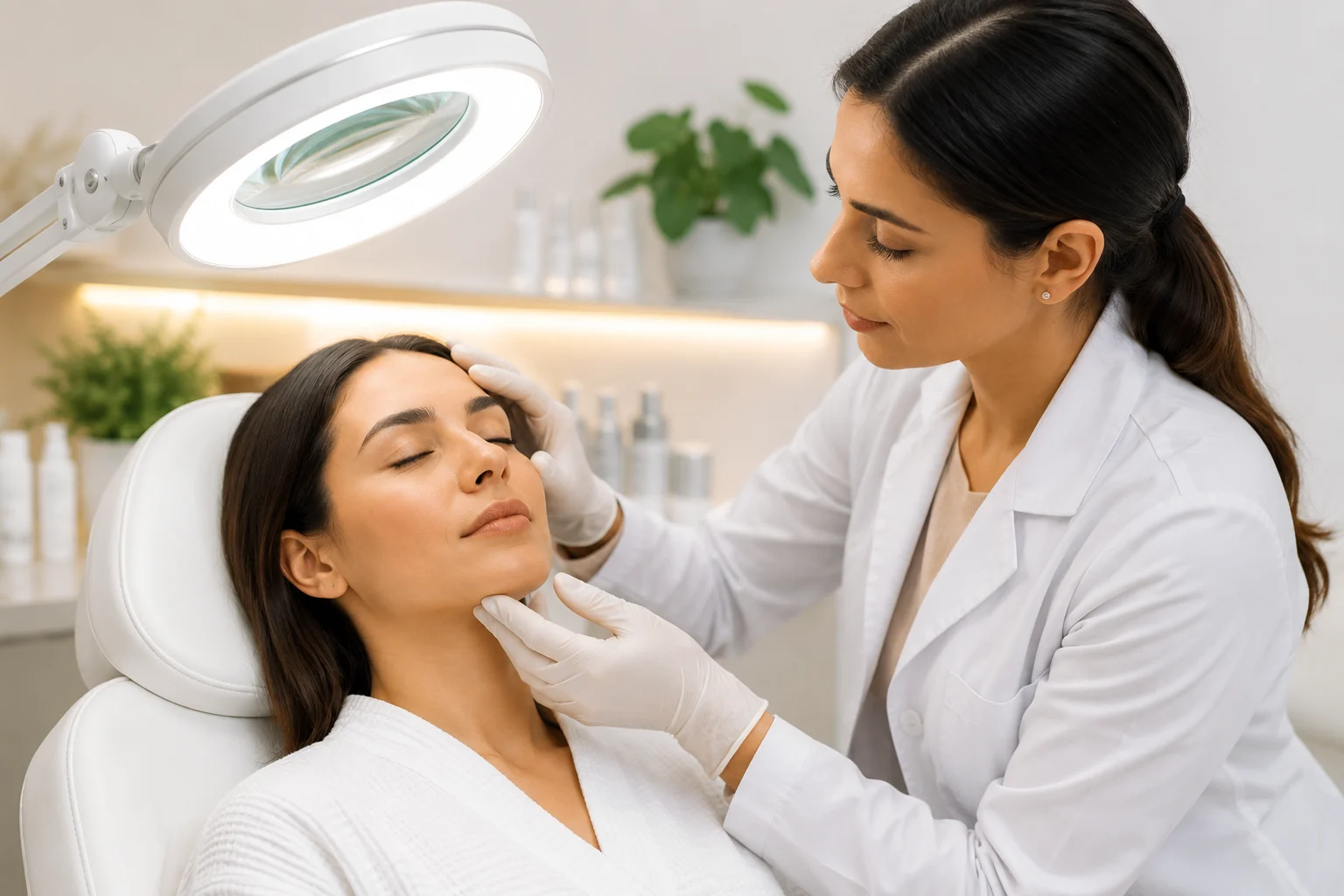
Dermatologists treat pigmentation with a combination of sun protection, topical lightening agents, and, in suitable cases, procedures like chemical peels. Treatment is tailored to the type and depth of pigmentation, and always built on strict sun protection, without which any treatment is undermined and pigmentation returns.
Sun protection is non-negotiable. In evidence-based reviews, photoprotection and sunscreen are the cornerstone of melasma and pigmentation therapy, so daily sunscreen is essential alongside any other treatment. A cosmetic dermatology approach with Dr Prratyush More tailors peels and topicals to your skin safely.
Caution matters on darker skin. Aggressive peels or lasers can actually worsen pigmentation, which is why an experienced dermatologist chooses gentle, appropriate options for Indian skin.
Can pigmentation be treated permanently?
Pigmentation can be significantly reduced and, in many cases, cleared, but it is prone to returning without ongoing sun protection and maintenance. Because sun and hormones keep driving it, long-term management, especially daily sunscreen, is essential to keep results. Realistic expectations and consistency are key to lasting improvement.
Think of pigmentation as manageable rather than instantly curable.
With the right treatment, most pigmentation fades noticeably over weeks to months. But because the underlying triggers remain, it can return if sun protection lapses or maintenance stops.
This is why a dermatologist focuses on both treating the current pigmentation and preventing its return. Consistent sun protection and a maintenance plan, supported by expert clinical dermatology in Thane, keep skin clear long term.
Treating pigmentation safely with expert care
Because pigmentation is easy to worsen with the wrong approach, expert, skin-appropriate care matters, and this is where Dr Prratyush More, skin specialist in thane comes.
The clinic accurately diagnoses the type of pigmentation, then builds a safe, tailored plan combining sun protection, topical treatments, and carefully chosen procedures suited to Indian skin. Patients receive honest guidance on realistic results and the importance of maintenance, rather than harsh, one-size treatments.
That careful, expertise-led approach is what makes the clinic a trusted name for pigmentation treatment in Thane.
Pigmentation disorders are common and often stubborn, but with accurate diagnosis, safe treatment, and diligent sun protection, real improvement is very achievable. The key is treating your specific type correctly rather than guessing with products. If uneven tone or dark patches are bothering you, book a consultation today for a safe, personalised pigmentation plan.