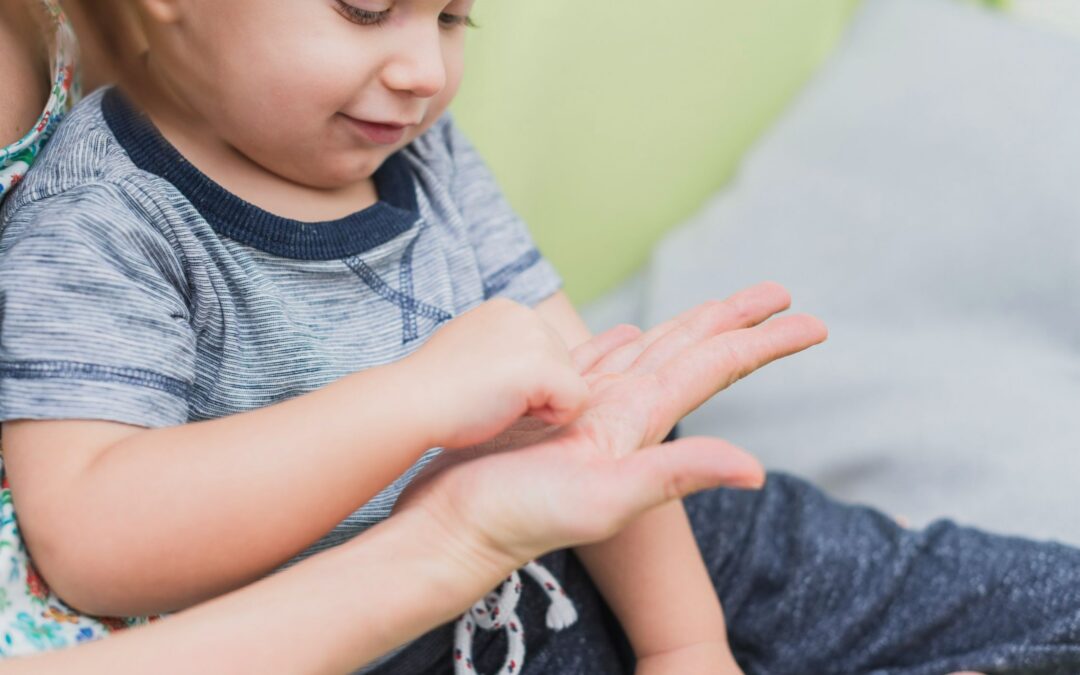
Eczema, or atopic dermatitis, is a common, chronic skin condition in children that causes dry, itchy, inflamed patches. It cannot be cured, but it can be very well controlled by keeping the skin moisturised, avoiding triggers, and treating flares promptly with dermatologist-guided care. Daily moisturising is the single most important step. With the right routine, most children have long stretches of clear, comfortable skin between flares.
Watching your child scratch at itchy, irritated skin is genuinely distressing, and eczema can feel like a constant battle of good days and bad.
The reassuring truth is that childhood eczema is highly manageable. It is less about finding a cure and more about a consistent routine that keeps the skin calm and flares rare.
This guide explains what triggers eczema, how to manage flares, and when to seek expert help.
What is eczema and why do children get it?
Eczema (atopic dermatitis) is a chronic condition where the skin’s protective barrier is weakened, making it dry, itchy, and easily inflamed. Children get it due to a mix of genetics and a still-developing skin barrier that loses moisture and lets in irritants. It often runs in families alongside asthma and allergies.
The weak skin barrier is at the heart of it.
Because the barrier does not hold moisture well, the skin dries out and becomes vulnerable to irritants and allergens, which trigger the itch-and-scratch cycle. Scratching then damages the skin further, worsening the flare.
Eczema also tends to run in families with a history of allergies. It is often the first step in what doctors call the atopic march, the tendency for eczema, food allergy, allergic rhinitis, and asthma to appear together.
What triggers eczema flares in children?
Eczema flares are triggered by things that dry out or irritate the skin, including harsh soaps, fragrances, heat, sweat, rough fabrics, allergens, and stress. Identifying and avoiding your child’s specific triggers is one of the most effective ways to reduce flare-ups and keep their skin calm.
Common triggers to watch for include:
- Harsh products: soaps, bubble baths, and fragranced items.
- Irritating fabrics: wool and rough synthetic materials.
- Heat and sweat: overheating often sparks itching.
- Dry air: cold weather and indoor heating dry the skin.
- Allergens: dust, pet dander, or certain foods in some children.
Even everyday products can be culprits. Fragrances appear in a large share of products that worsen flares, which is why fragrance-free, gentle products are recommended for children with eczema.
How do you manage and prevent flares?
You manage eczema by moisturising daily, treating flares early with dermatologist-recommended creams, and avoiding known triggers. The foundation is consistent moisturising, even when the skin looks clear, because a well-hydrated barrier is far less likely to flare. Prompt treatment of flares stops them escalating.
Moisturising is genuinely the cornerstone. Studies show regular emollient use reduces flares and the need for stronger treatments, so it is worth building into your child’s daily routine rather than saving it for bad days.
During flares, a dermatologist may prescribe short courses of anti-inflammatory creams. Used correctly and under guidance, these are safe and effective for calming the skin.
When should you see a dermatologist?
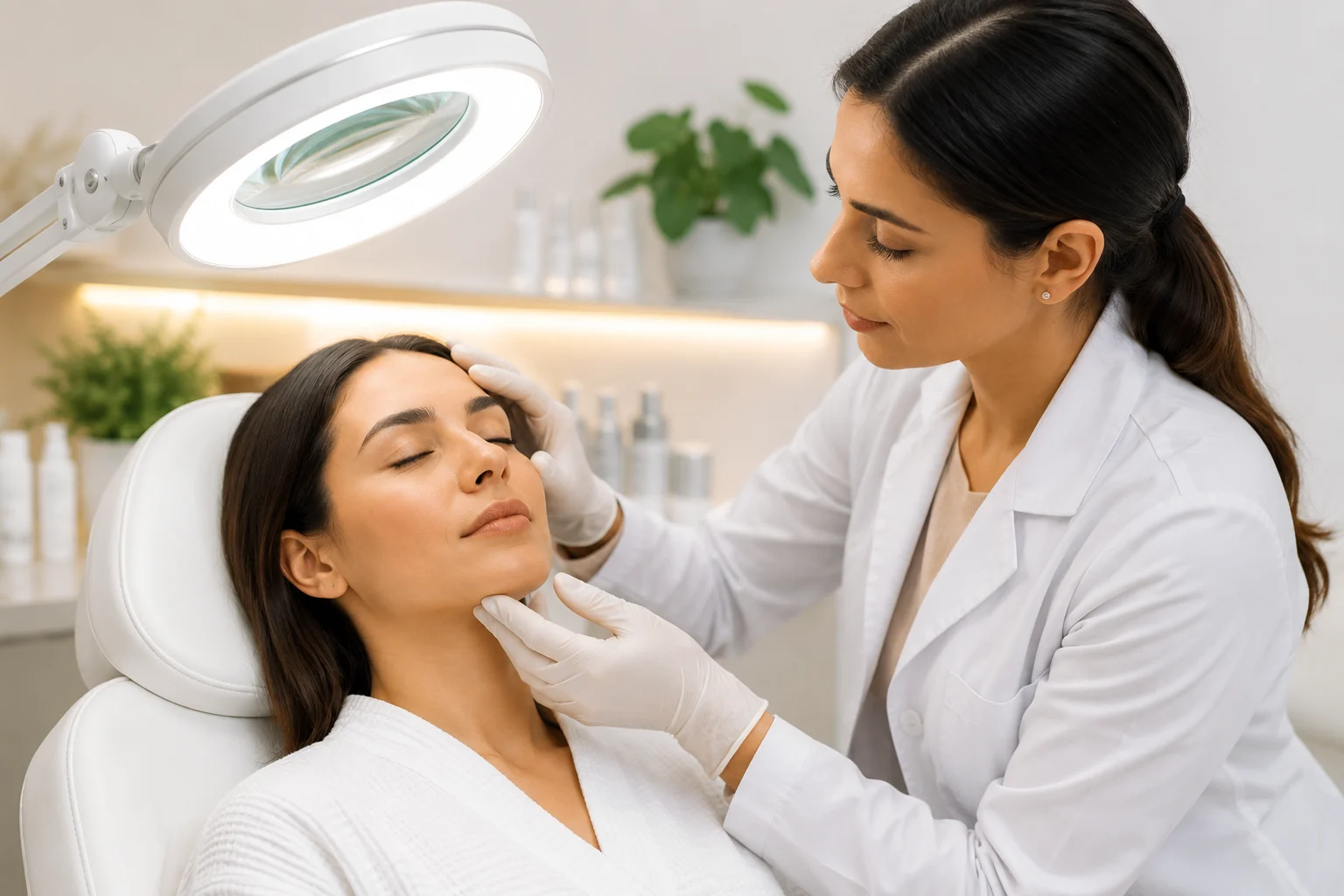
You should see a dermatologist if your child’s eczema is severe, widespread, not improving with moisturising, showing signs of infection, or disturbing their sleep. Expert care ensures the right treatment, rules out infection, and helps manage the condition properly, which matters because eczema can affect more than just the skin.
Seek expert help if you notice:
- Severe or spreading eczema: covering large areas or worsening.
- Signs of infection: weeping, crusting, swelling, or pain.
- Poor sleep: itching disturbing your child’s rest.
- No improvement: despite consistent moisturising and gentle care.
This matters because eczema is linked to wider health. Sleep disruption affects children’s wellbeing, and eczema severity is linked to other conditions, with over 60% of children with severe eczema going on to develop asthma. Proper management supports overall health. A dedicated paediatric dermatology service provides child-safe, effective care.
Will my child grow out of eczema?
Many children do improve or grow out of eczema as they get older, with a good proportion seeing it settle before adolescence. Even when it persists, it can be well controlled with the right routine. The goal is comfortable, clear skin most of the time, which is very achievable with consistent care.
There is a real reason for optimism.
A significant number of children see their eczema improve markedly or resolve as their skin barrier matures. For others, flares become milder and less frequent with good management.
Either way, the aim is the same: keep the skin calm, minimise flares, and let your child live comfortably. Expert clinical dermatology in Thane, such as the care led by Dr Prratyush More, helps families achieve exactly that.
Helping your child’s skin with expert care
Because eczema needs consistent, child-appropriate management, expert guidance makes a real difference, and this is where Dr Prratyush More, one of a kind skin specialist in Thane supports families.
The clinic diagnoses and manages childhood eczema with gentle, effective, age-appropriate care, helping parents build a routine that keeps flares under control and rules out complications like infection. Families receive clear, practical guidance rather than a confusing list of products.
That gentle, expert approach is what makes the clinic a trusted name for paediatric dermatologist in Thane.
Childhood eczema can feel relentless, but with daily moisturising, trigger awareness, and prompt treatment of flares, most children enjoy clear, comfortable skin the majority of the time. You do not have to manage it alone. If your child’s eczema is stubborn or distressing, book a consultation today for a personalised management plan.