Neither GFC nor PRP is clearly better for everyone. Both are made from your own blood and injected into thinning areas, and both can improve hair density in early pattern hair loss. Small studies suggest GFC may act faster, while PRP’s effect may last longer, but the evidence is limited. The better choice depends on your diagnosis, budget and how your hair responds.
If you’ve searched for a dermatologist clinic near me for thinning hair, you’ve probably been offered one of these two. Some clinics push GFC as the “advanced” version of PRP. Others say they’re basically the same thing.
The truth sits in between. They come from the same starting point, a small sample of your blood, but they’re processed differently and they don’t always behave the same way. Here’s what each one is, what the research actually shows, and who’s likely to benefit.
What’s the difference between GFC and PRP?
PRP (platelet-rich plasma) is the platelet-rich part of your blood, separated in a centrifuge and injected into the scalp. GFC (growth factor concentrate) goes a step further: the platelets are activated to release their growth factors, and that concentrate is injected instead. Both rely on the same idea, that platelet growth factors support weakening follicles.
| PRP | GFC | |
| What’s injected | Plasma rich in whole platelets | Growth factors released from activated platelets |
| Preparation | Centrifuge, then separation | Closed kit that activates platelets and concentrates factors |
| Blood drawn | Usually 10 to 20 ml | Usually 10 to 20 ml |
| Typical course | 3 to 4 sessions, 4 to 6 weeks apart | 3 to 4 sessions, 4 to 6 weeks apart |
| Comfort | Scalp injections; numbing used | Often described as less sore, since fewer cells are injected |
| Evidence base | Larger, but mixed quality | Smaller, newer studies |
Neither one is a standalone cure. Both are used alongside medicines like minoxidil, not instead of them.
Which works better, according to the research?
The honest answer: both help some people, and nobody has proven one is superior. Studies are small and use different methods, so results vary a lot. What the evidence does suggest is that GFC may show changes sooner, while PRP may hold its effect for longer.
What the PRP evidence shows
A 2023 systematic review of 27 controlled trials with 1,117 patients found PRP injections increased hair density compared with saline over medium-term follow-up. That’s encouraging, but the trials used different PRP types and schedules, so results couldn’t all be pooled. In plain terms, PRP helps many people, but not by a predictable amount.
What the GFC evidence shows
A 2026 study comparing the two in 42 patients with male and female pattern hair loss found that GFC gave better hair counts after the second session, while PRP had better hair diameter and satisfaction scores at six months. The authors suggested the two could even be used in sequence. It was a retrospective study of 42 people, though, so it points a direction rather than settling the question.
What that means for you
If you want faster early change, GFC may suit you. If you’re thinking long term, PRP is a reasonable choice. Either way, treat claims of “clinically superior” or “guaranteed regrowth” with suspicion. No platelet therapy can promise that.
Who is a good candidate for GFC or PRP?
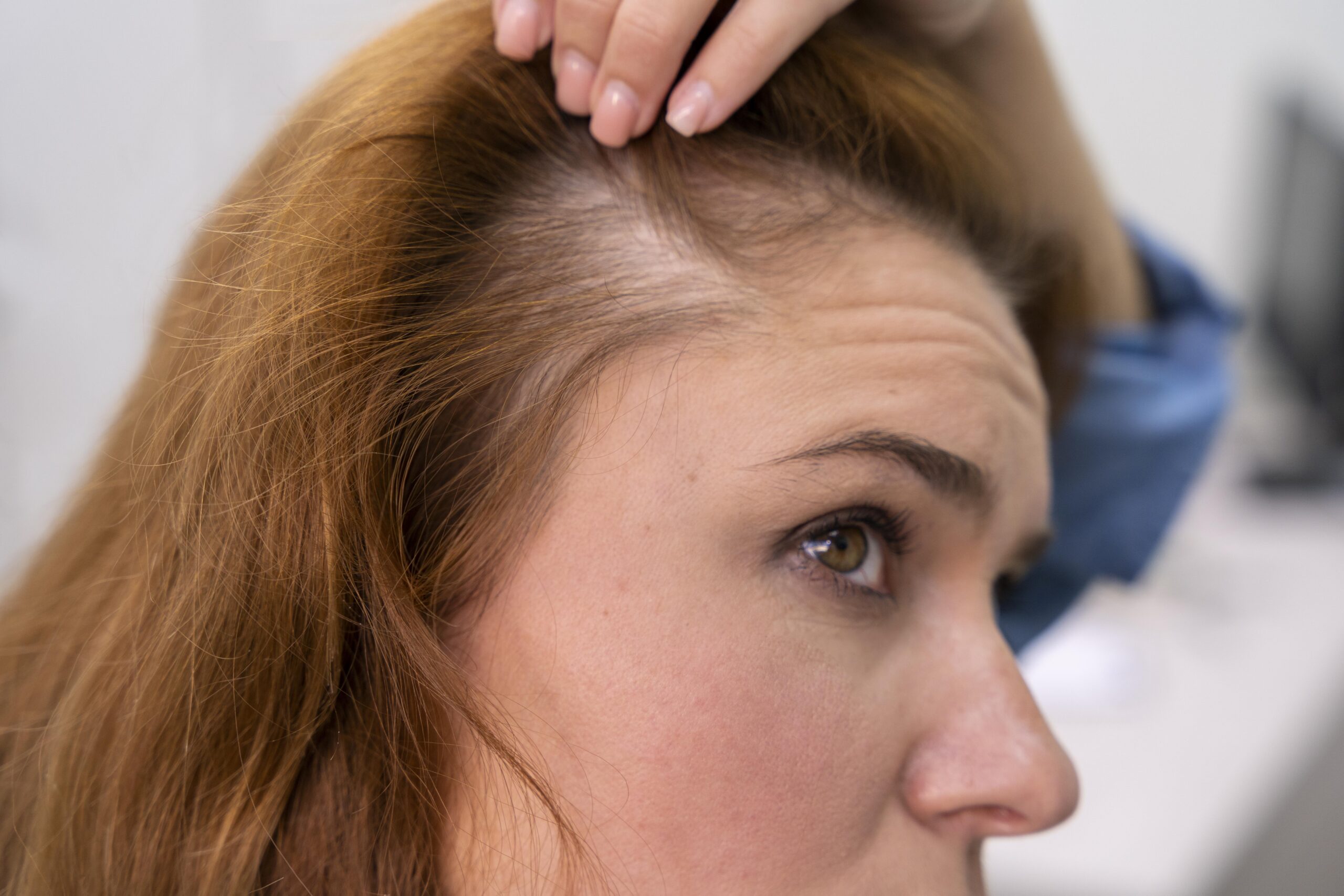
The best candidates have early to moderate pattern hair loss, where follicles are thinning but still alive. Neither treatment can regrow hair from follicles that have already gone, so they work best before large areas turn smooth and shiny.
You’re more likely to benefit if you have:
- Early male or female pattern hair loss: Thinning at the crown, parting or temples, but hair still present.
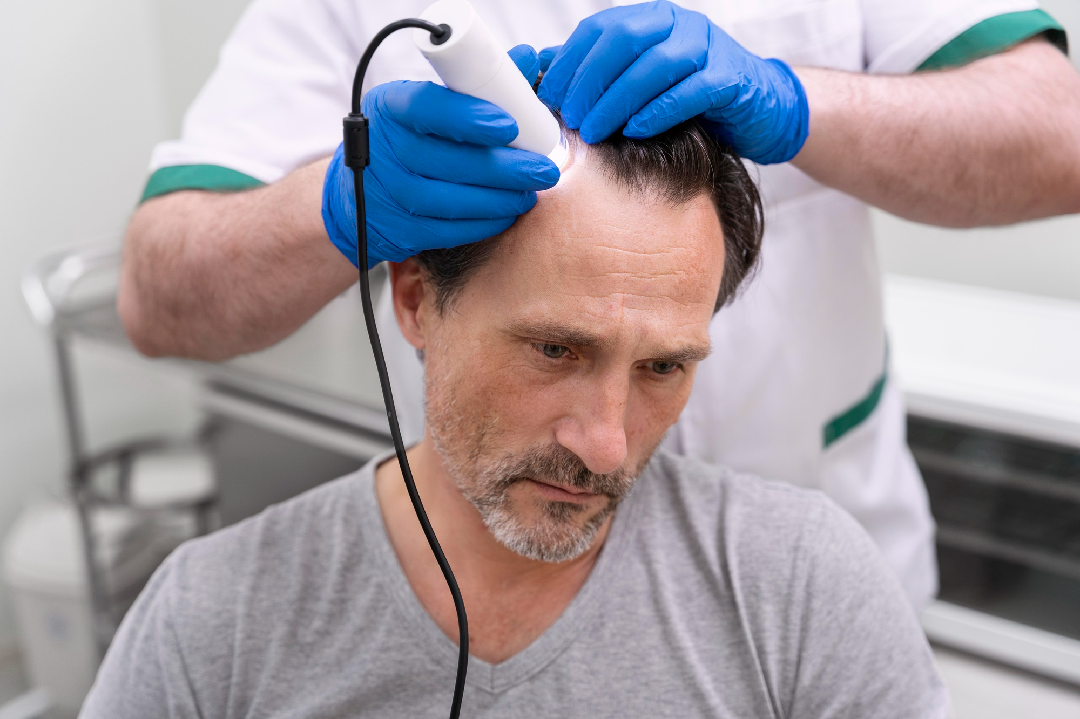
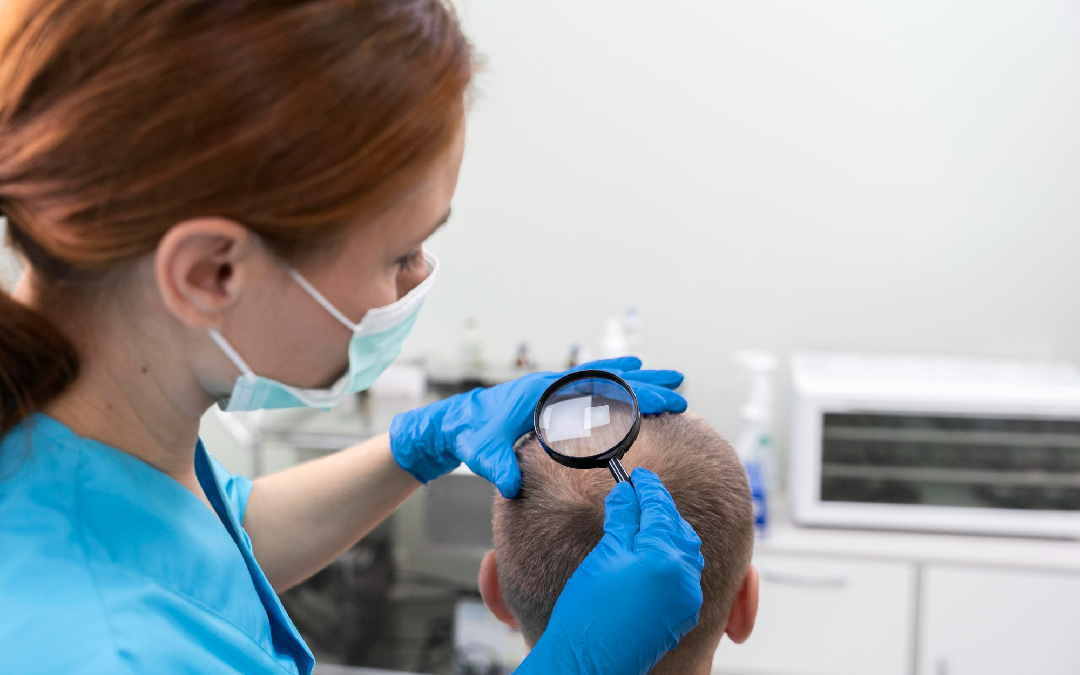
- A confirmed diagnosis: Pattern loss confirmed on examination and trichoscopy, not assumed.
- Realistic expectations: You want thicker, fuller hair, not a complete reversal.
- A medical plan alongside: You’re willing to continue medicines between sessions.
They’re less suitable if you have active infection on the scalp, a low platelet count or bleeding disorder, or extensive baldness. People on blood thinners need a discussion first, and shouldn’t stop any medicine without advice. If your hair loss turns out to be stress-related shedding or iron deficiency, fixing the cause matters more than any injection.
If you’re unsure which group you’re in, a hair loss consultation at Dr Prratyush More’s clinic with trichoscopy gives you a measured baseline before you spend on a course.
What happens during a session?
A session takes under an hour from start to finish. Blood is drawn, processed in a closed kit, and injected into thinning areas with fine needles after numbing.
- Assessment and consent: The diagnosis is confirmed and the expected benefit and limits are explained before anything starts.
- Blood draw and processing: About 10 to 20 ml of blood is taken from your arm and processed in a sealed kit, which takes 10 to 20 minutes.
- Numbing and injections: Numbing cream, cooling or a local anaesthetic is used, then the injections take about 20 to 30 minutes across the thinning area.
- Aftercare: Don’t wash your hair for six to twelve hours, and avoid hair colour, heavy styling, gym, steam and swimming for 48 hours. Mild tenderness or a headache for a day or two is common.
Response is checked with trichoscopy after the course. If it helps, maintenance sessions every three to six months can keep it going. Our page on GFC and PRP sessions covers preparation in more detail.
Can children or teenagers have GFC or PRP?
Generally, no. Hair loss in children and young teens is rarely pattern hair loss. It’s more often alopecia areata, a scalp fungal infection, nutritional deficiency or hair pulling, and each needs a different treatment. A paediatric trichologist in Thane will diagnose the cause first, and platelet injections are not the usual answer.
Common causes of hair loss in children include:
- Tinea capitis: A fungal scalp infection that needs oral antifungal medicine.
- Alopecia areata: Round bald patches from an immune reaction.
- Traction alopecia: Thinning from tight ponytails, braids or hair accessories.
- Telogen effluvium: Shedding after illness, fever or stress.
- Trichotillomania: Hair pulling, which needs gentle behavioural support.
Older teens with confirmed early pattern hair loss are a different case, and treatment is discussed individually. For younger children, see a specialist rather than booking injections. Our paediatric trichology page explains how children’s hair loss is assessed.
FAQs
Is GFC better than PRP for hair loss?
Not clearly. Small studies suggest GFC may improve hair counts sooner and PRP may last longer, but the evidence is limited and mixed. The right choice depends on your diagnosis, response and budget.
How many GFC or PRP sessions will I need?
Usually three to four sessions, spaced four to six weeks apart, followed by maintenance every three to six months if they’re helping. Response is checked with trichoscopy after the first course.
Do GFC or PRP injections hurt?
Scalp injections are uncomfortable, but numbing cream, cooling or local anaesthetic makes them manageable. Mild tenderness, swelling or a headache for a day or two afterwards is common and settles on its own.
Can GFC or PRP replace a hair transplant?
No. They can thicken thinning hair and slow loss, but they can’t regrow hair where follicles are gone. For bald areas, a transplant is the only way to move new follicles in.
Will my hair fall out if I stop using GFC or PRP?
The benefit may gradually fade over the following months, because pattern hair loss keeps progressing. That’s why medicines usually continue alongside, and why maintenance sessions are suggested if the first course worked.
Hair loss care at our Vasant Vihar clinic
At the Vasant Vihar clinic in Thane West, every GFC or PRP course starts with a confirmed diagnosis, not a sales pitch. Dr Prratyush More (MBBS, DDVL) examines every patient and performs or directly supervises every procedure, with trichoscopy before and after the course so you can see whether it’s working.
The clinic also treats children’s hair and scalp conditions through its paediatric dermatology service. A hair loss consultation is ₹1,500, or ₹2,500 with trichoscopy, and procedure charges are given in writing before treatment. No packages, no discounts, and no promise of results the evidence can’t support.
GFC and PRP can be worth it in the right person, at the right stage. If you’d like to know whether you’re that person, schedule an appointment for a hair loss consultation and get a plan based on your own scalp.