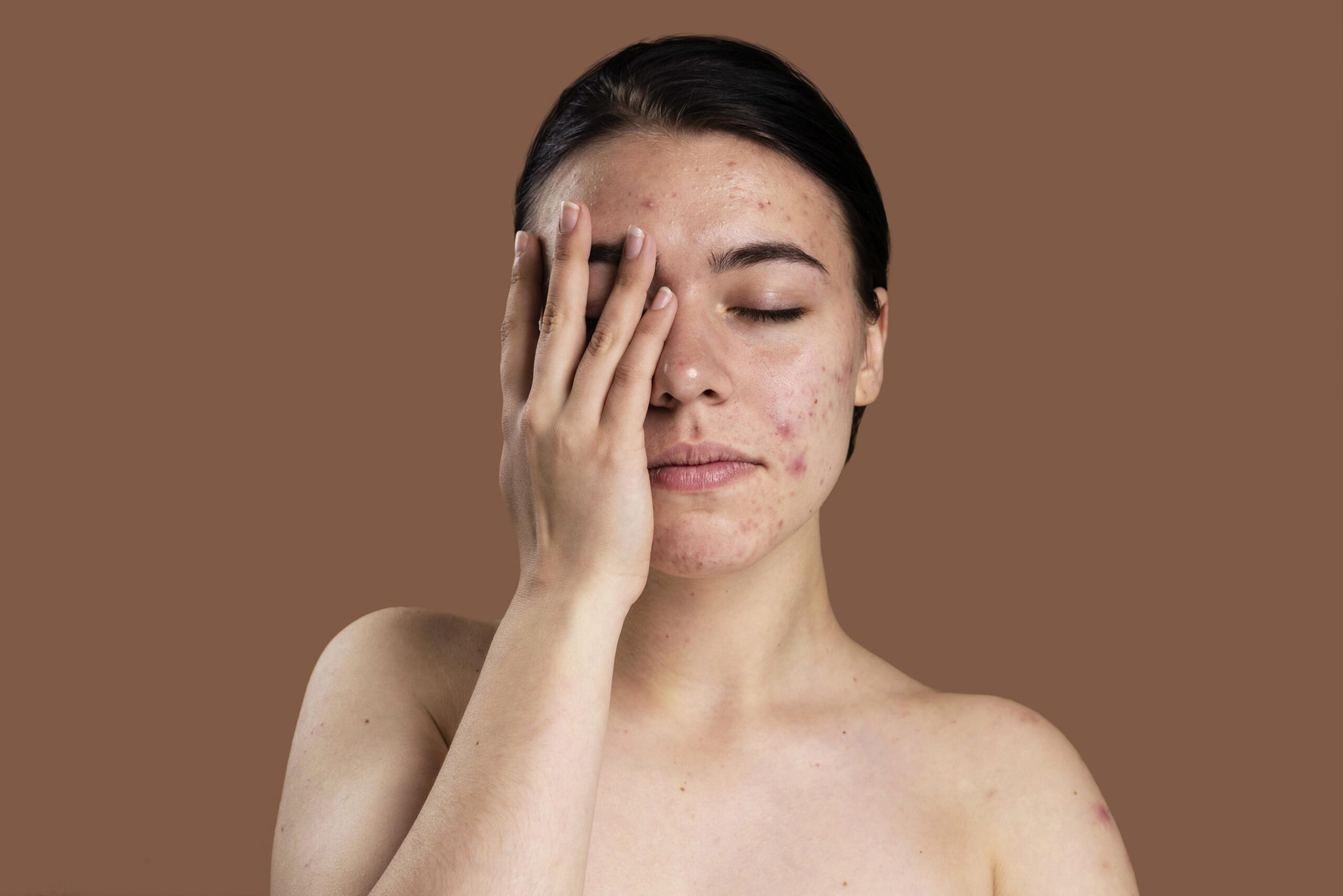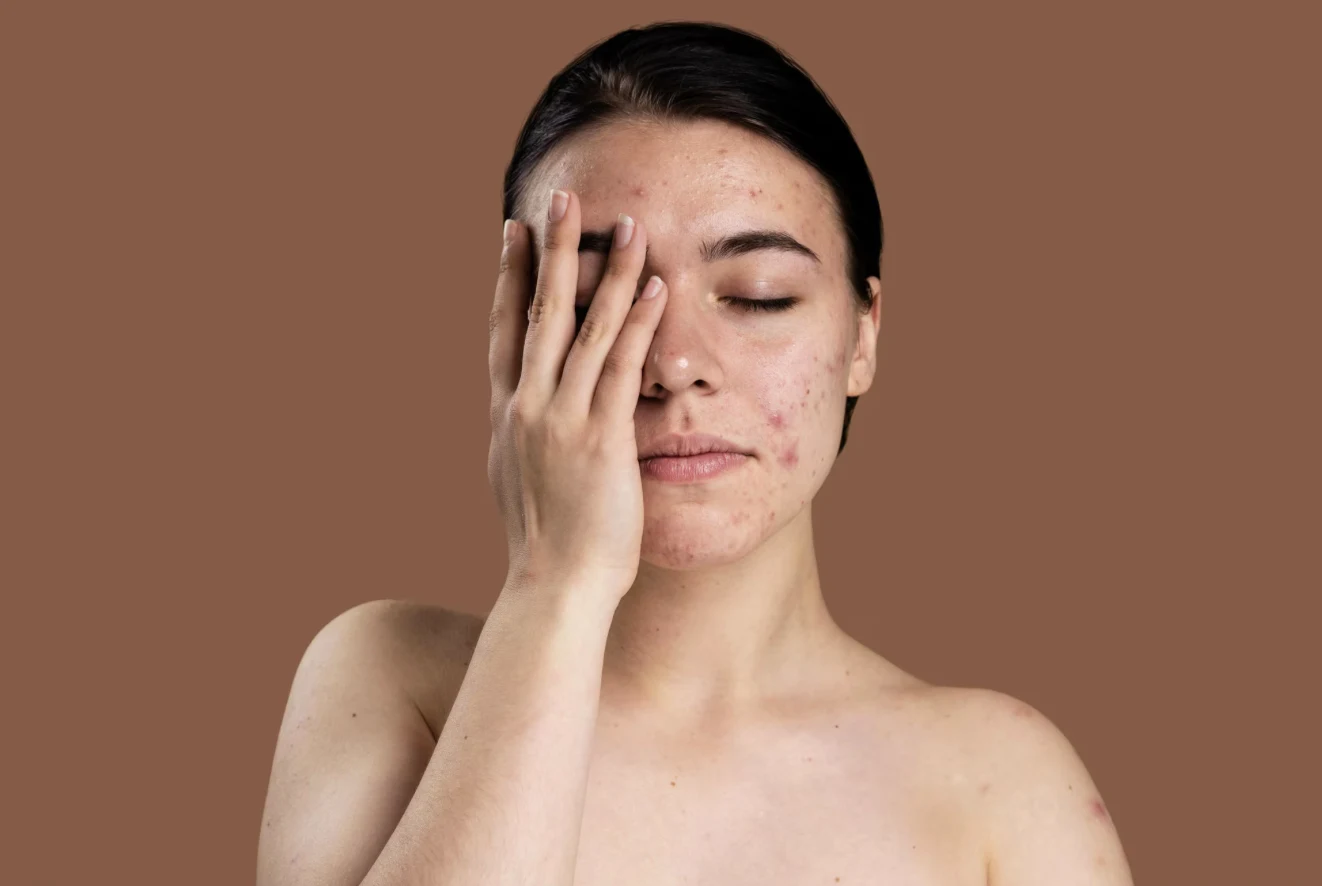

Summary: If your face has started breaking out, getting drier, looking dull, or showing new pigmentation despite using the exact same products you always have, the problem usually isn’t your routine. It’s something happening underneath it: hormones, weather, gut health, sleep, stress, or an early skin condition that hasn’t been diagnosed yet. This is one of the most common reasons people search for a dermatologist near me or a skin specialist in Thane West, and the right next step is usually a proper diagnosis, not another new cream.
Introduction
It’s a strange and frustrating experience. You haven’t changed your cleanser, your moisturiser is the same one you’ve used for two years, and you haven’t started anything new, yet your skin looks and behaves differently than it did a few months ago. New breakouts, sudden dryness, patchy redness, or dullness can appear seemingly out of nowhere. The instinct is to blame the products on your shelf. In most cases, the real explanation lies elsewhere, and that’s exactly why this is one of the most searched concerns by people looking for a dermatologist in Thane.
Your Skin Reflects What’s Happening Inside Your Body
Skin is not a static surface. It responds constantly to internal changes, even when your external routine stays identical. Some of the most common internal triggers include:
- Hormonal shifts Stress, menstrual cycles, thyroid changes, PCOS, starting or stopping birth control, and even age-related hormonal shifts in your late 20s and 30s can all change oil production, sensitivity, and pigmentation almost overnight.
- Seasonal and environmental changes Humidity, pollution levels, sun exposure, and even switching between air-conditioned and outdoor environments affect your skin barrier. A routine that worked perfectly in winter can suddenly feel inadequate in monsoon or summer.
- Sleep, stress, and gut health Poor sleep and chronic stress raise cortisol levels, which directly affects oil production and inflammation. Gut issues and nutritional gaps often show up on the skin before they show up anywhere else.
- An underlying skin condition that’s just becoming visible Conditions such as adult acne, early rosacea, fungal infections, contact dermatitis, or pigmentation disorders often develop slowly and only become noticeable once they cross a certain threshold. By the time you notice a change, the condition may have already been building for weeks.
- Product build up or sensitisation, not the product itself Sometimes it isn’t a new product causing the issue. Your skin barrier can become sensitised over time to an ingredient you’ve used for months, especially with overuse of actives like retinol or acids.
Why “Just Changing Products” Usually Doesn’t Help
Most people respond to sudden skin changes by adding a new serum, switching brands, or cutting out products entirely. Without knowing the actual cause, this approach is essentially guesswork. If the real issue is hormonal or an early skin condition, no amount of product switching will resolve it, and in some cases it can make things worse by further disrupting an already stressed skin barrier.
This is the main reason dermatologists across India report a steady rise in patients typing “dermatology dr near me” or “dermatologist clinic near me” once home remedies and over-the-counter products stop working. A trained eye can usually tell within minutes whether you’re dealing with a hormonal pattern, an irritant reaction, or a developing condition that needs proper treatment.
What an Actual Dermatology Consultation Looks Like
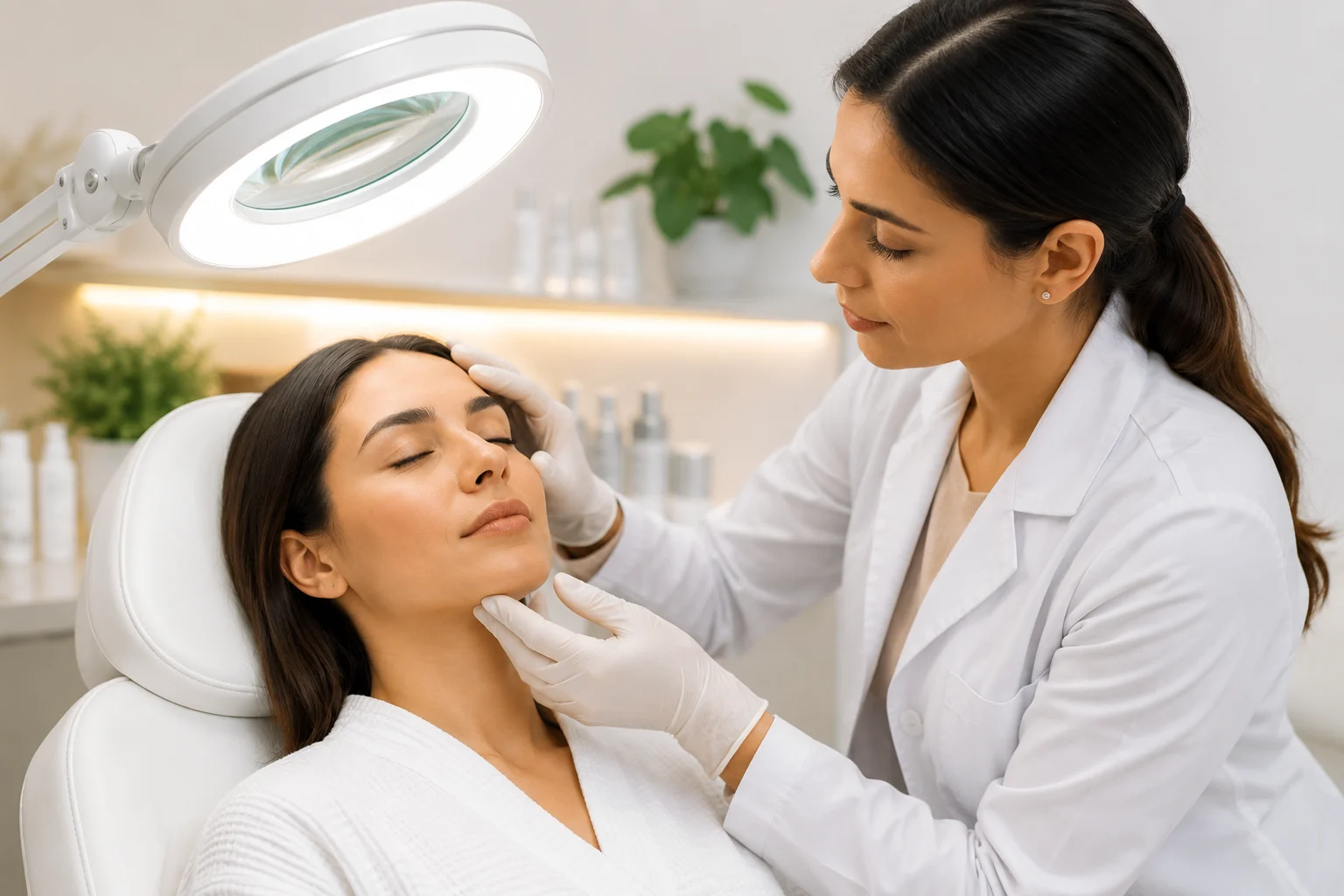
A proper assessment at a skin clinic in Thane typically includes:
- A detailed history of your routine, diet, sleep, stress levels, and any recent life changes
- A physical examination of the affected areas under proper lighting
- Identification of whether the pattern is hormonal, inflammatory, infective, or barrier related
- A treatment plan that may include topical medication, lifestyle adjustments, or in some cases, a referral for blood work to check hormones or thyroid function
Dr. Prratyush More, practising from Vasant Vihar, Thane West, takes this assessment-first approach with every patient. Every consultation starts with a thorough clinical examination done personally, not delegated to a technician, because sudden skin changes often have a specific, identifiable cause rather than a vague “skin is acting up” explanation.
When You Should Stop Self-Treating and See a Dermatologist
Consider booking a consultation if:
- The change has lasted more than 3 to 4 weeks without improvement
- You’re seeing new pigmentation, persistent redness, or bumps that weren’t there before
- Over-the-counter products are making things worse, not better
- The change coincides with a major life event such as stress, a new medication, or a hormonal shift
FAQs
- Can stress alone really change my skin this fast? Yes. Stress raises cortisol, which increases oil production and inflammation almost immediately, and visible effects like breakouts or dullness can appear within days of a particularly stressful period in your life.
- Is it normal for skin type to change with age? Completely normal. Oily skin in your twenties often becomes combination or dry in your thirties and forties due to natural hormonal shifts, so your routine may genuinely need to evolve as you age.
- Should I stop all my products if my skin suddenly reacts? Not immediately. Simplify to a gentle cleanser and moisturiser, avoid active ingredients temporarily, and consult a dermatologist if irritation continues beyond a few days rather than guessing on your own.
- Can diet really affect how my skin looks? Yes, particularly sugar, dairy, and highly processed foods, which can trigger or worsen acne and inflammation in sensitive individuals, though the effect varies significantly from person to person.
- How do I know if I need a dermatologist instead of just a new product? If a change persists beyond a few weeks, worsens despite care, or comes with symptoms like pain, swelling, or spreading patches, it’s time to consult a dermatologist rather than continuing to experiment alone.