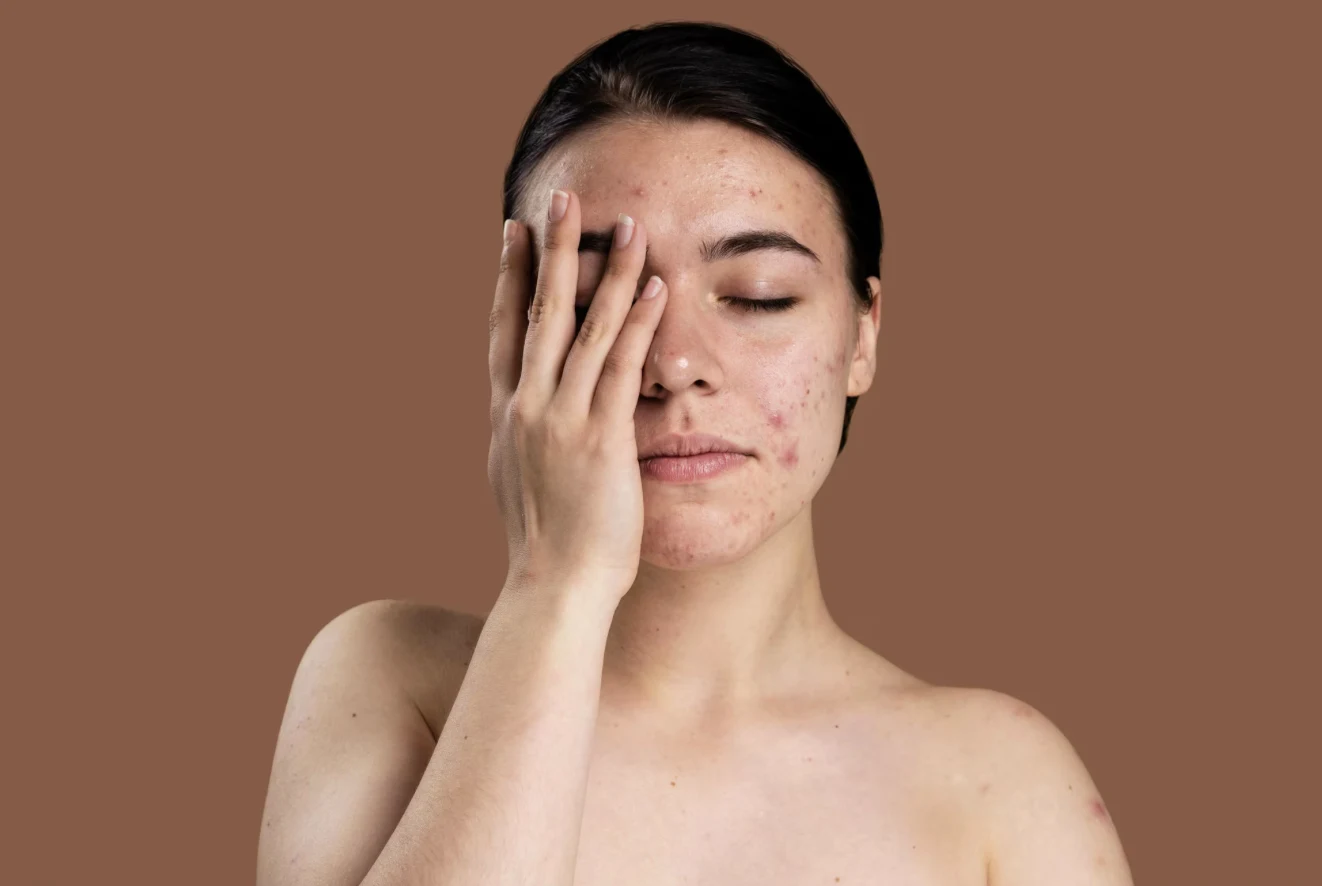
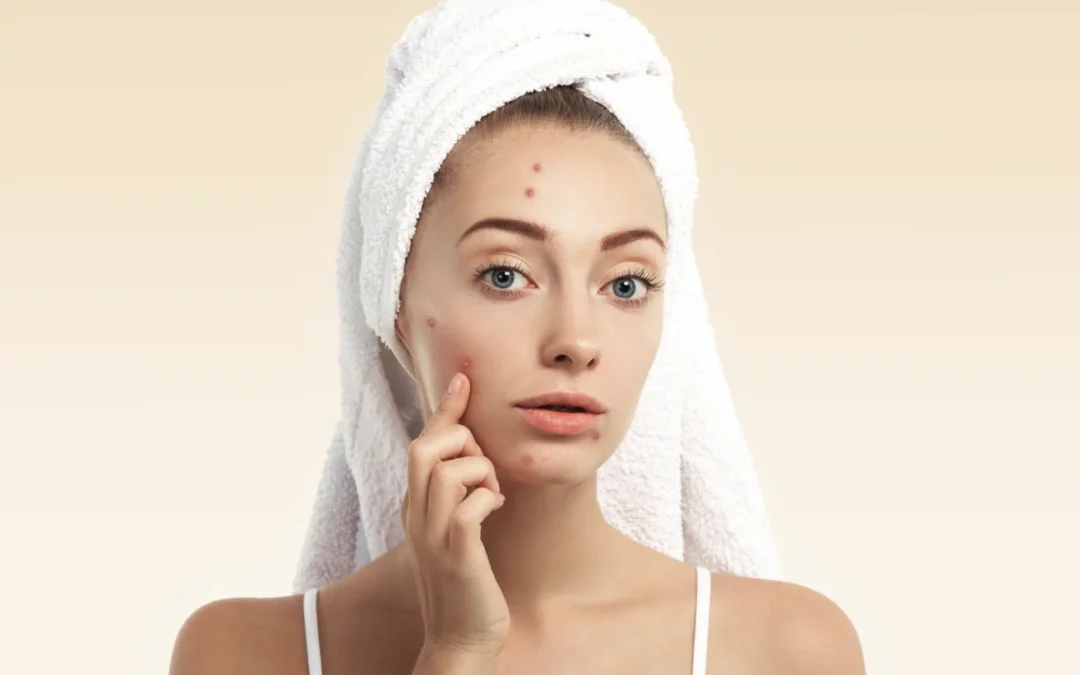
Summary: Acne isn’t something you simply outgrow once your teenage years end. A large number of adults, especially women in their late 20s, 30s, and even 40s, continue to deal with persistent or new onset breakouts, and the causes are often very different from teenage acne. Hormones, stress, certain medications, and underlying conditions like PCOS are common culprits, which is why “adult acne” has become one of the top reasons patients search for a dermatologist or visit a skin clinic in Thane for proper evaluation.
Introduction
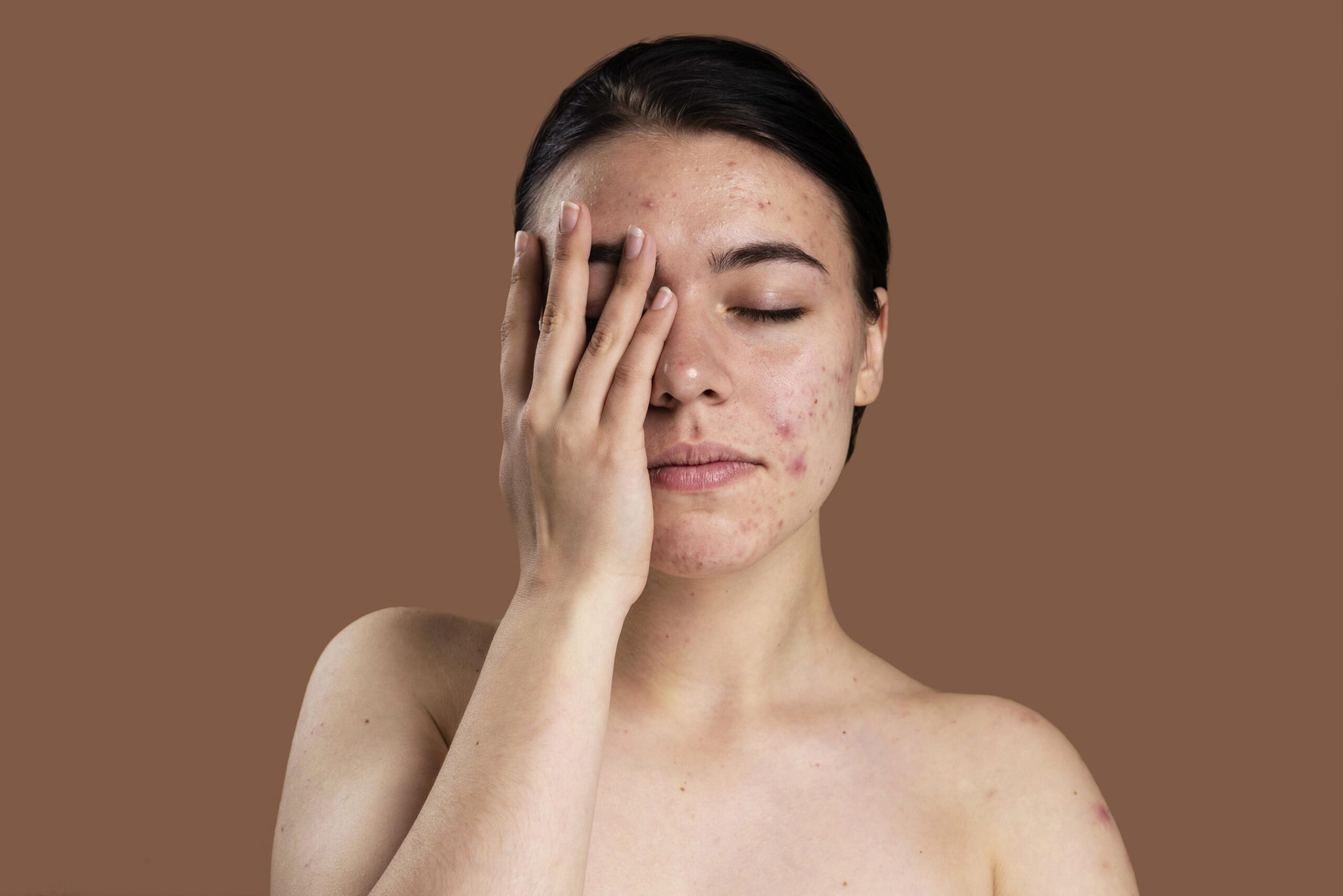
There’s a common assumption that acne is a teenage problem that fades with adulthood. For a significant number of people, it doesn’t. Adult acne, sometimes appearing for the first time well into your late twenties or thirties, is increasingly common and frequently misunderstood. It tends to behave differently from teenage acne too, often showing up along the jawline, chin, and lower cheeks rather than the forehead and nose. Understanding why it happens is the first step toward actually treating it, rather than cycling through products that were designed for a different type of acne altogether.
The Real Reasons Behind Adult Acne
- Hormonal fluctuations This is the single biggest driver of adult acne, particularly in women. Fluctuations around the menstrual cycle, pregnancy, perimenopause, or conditions like PCOS (Polycystic Ovary Syndrome) can trigger persistent jawline and chin breakouts that don’t respond to typical over-the-counter acne products.
- Chronic stress Stress elevates cortisol, which increases oil production in the skin. Many adults notice a clear pattern where breakouts intensify during particularly demanding periods at work or in personal life, only to settle down once stress levels drop.
- Certain medications and supplements Some medications, including certain birth control pills, steroids, and even high dose B vitamin supplements, can trigger or worsen acne as a side effect. This is often overlooked because the connection isn’t obvious to most patients.
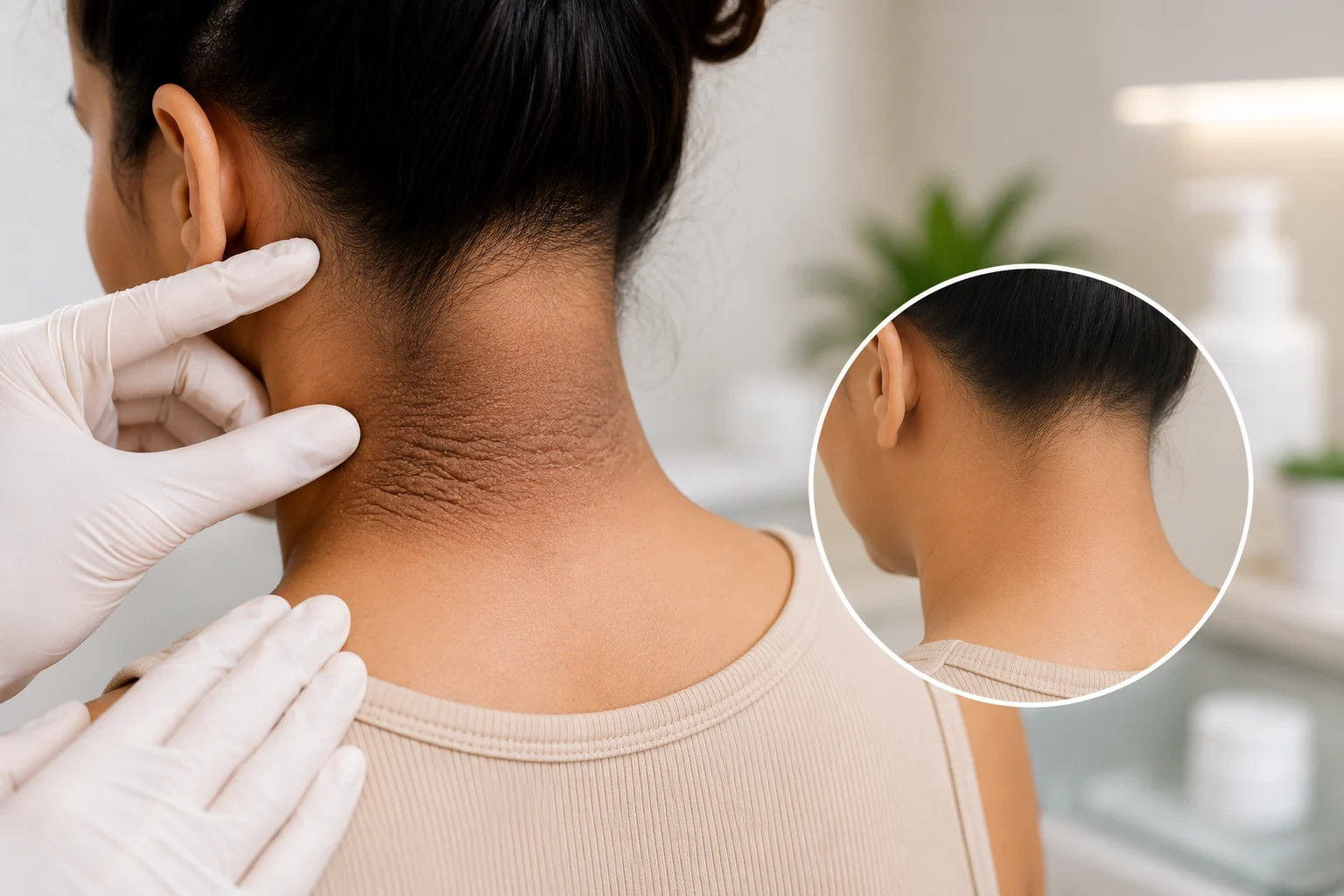
- Underlying conditions Persistent adult acne, especially when paired with irregular periods, excess facial hair growth, or unexplained weight changes, can be a sign of PCOS or other hormonal imbalances that need to be evaluated and treated medically, not just on the skin’s surface.
- Skincare and lifestyle habits Heavy, comedogenic makeup, not removing makeup properly before bed, certain hair products that touch the forehead and hairline, and even pillowcases changed too infrequently can all contribute to ongoing breakouts in adults.
- Genetics If your parents struggled with adult acne, you have a meaningfully higher chance of experiencing it too. Genetics influence how your skin responds to hormones and oil production throughout your life, not just during puberty.
Why Adult Acne Needs a Different Approach Than Teen Acne?
Teenage acne is largely driven by puberty related oil production and typically responds well to standard topical treatments. Adult acne is frequently rooted in hormonal or internal factors, which means topical treatments alone often provide only partial or temporary relief. This is exactly why so many adults end up frustrated after trying the same products that worked for them as teenagers, only to see little to no improvement.
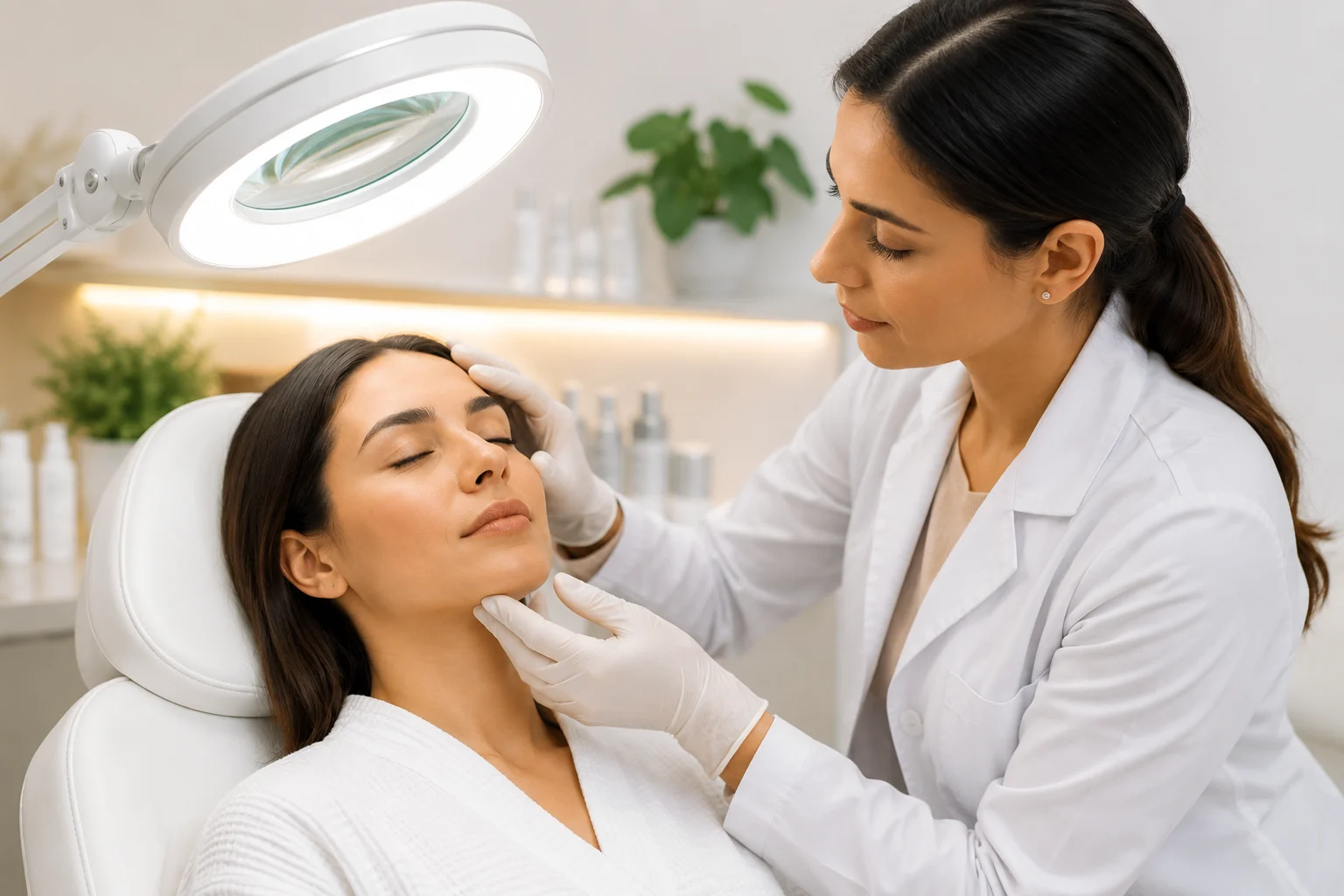
A proper evaluation by a dermatologist near me typically looks at:
- The pattern and location of breakouts (jawline and chin patterns often point toward hormonal causes)
- Menstrual cycle history and any signs of PCOS
- Current medications and supplements
- Stress levels and sleep quality
- Skincare and haircare habits that may be contributing
Based on this, treatment can range from topical retinoids and targeted actives to oral medication, hormonal treatment in consultation with a gynaecologist, or a combination approach designed around the actual root cause rather than guesswork.
Treating Adult Acne the Right Way
At Dr. Prratyush More’s clinic in Vasant Vihar, Thane West, every acne case is assessed individually before any treatment is recommended. Rather than pushing the same standard acne kit on every patient, the approach focuses on identifying whether the acne is hormonal, stress related, medication induced, or habit driven, and building a treatment plan around that specific cause. This evidence based, no upselling approach means patients aren’t sold unnecessary procedures when the actual fix may be as straightforward as a targeted medication or a hormonal evaluation.
When to See a Dermatologist for Adult Acne?
You should consider a consultation if:
- Breakouts have persisted for more than 2 to 3 months despite consistent skincare
- Acne is concentrated along the jawline, chin, or lower face
- You notice irregular periods, excess hair growth, or other symptoms alongside the acne
- Over-the-counter products have stopped working or are causing irritation
- You’re considering oral medication or hormonal treatment and want proper medical guidance
FAQs
- Is adult acne more common in women than men? Yes, significantly so, largely because hormonal fluctuations related to menstrual cycles, pregnancy, and perimenopause are major triggers, while adult acne in men is more often linked to stress, genetics, or skincare habits.
- Can adult acne be a sign of an underlying health condition? Sometimes, particularly when it’s persistent and paired with irregular periods or excess hair growth, which can indicate PCOS or other hormonal imbalances that warrant proper medical evaluation rather than skincare alone.
- Will switching to “natural” or organic skincare cure adult acne? Not typically, since most adult acne is driven by internal hormonal or systemic factors rather than the type of products used, so the product’s ingredient list rarely addresses the actual root cause.
- Does diet really play a role in adult acne? For some people, yes, particularly high sugar and high dairy diets, which can influence hormone levels and inflammation, though the relationship varies from person to person and isn’t the cause for everyone.
- Is it safe to take oral medication for long term adult acne? Many oral treatments for acne are safe and effective when prescribed and monitored by a qualified dermatologist, who will tailor the medication and dosage to your specific hormonal profile and health history.