Summary: Pigmentation, those patches of darkened skin that appear on the face, neck, or body, is one of the most common reasons patients consult a dermatologist in Thane. It can be triggered by sun exposure, hormones, acne scarring, or skin injury, and while it’s rarely dangerous, it often takes the right diagnosis and a structured treatment plan, not just a fairness cream, to actually improve. Here’s a clear breakdown of what causes pigmentation and what genuinely works.
Introduction
Few skin concerns generate as much confusion, and as many half-effective home remedies, as pigmentation. Patients often arrive at a skin specialist in Thane after months of trying lemon juice, generic whitening creams, or random serums, only to see little to no real change. Pigmentation isn’t a single condition. It’s a category covering several different causes, each requiring a different treatment approach, which is exactly why a proper diagnosis matters more than the product you choose.
What Causes Pigmentation?
- Sun exposure (Photo-pigmentation) Ultraviolet light triggers melanin production as a protective response, which is why sun exposed areas like the face, neck, and forearms are the most common sites for pigmentation, especially in a country with intense year round sun.
- Hormonal pigmentation (Melasma) Often triggered by pregnancy, birth control, or hormonal therapy, melasma typically appears as symmetrical brown or grey-brown patches on the cheeks, forehead, and upper lip. It tends to be more stubborn and prone to recurrence than other pigmentation types.
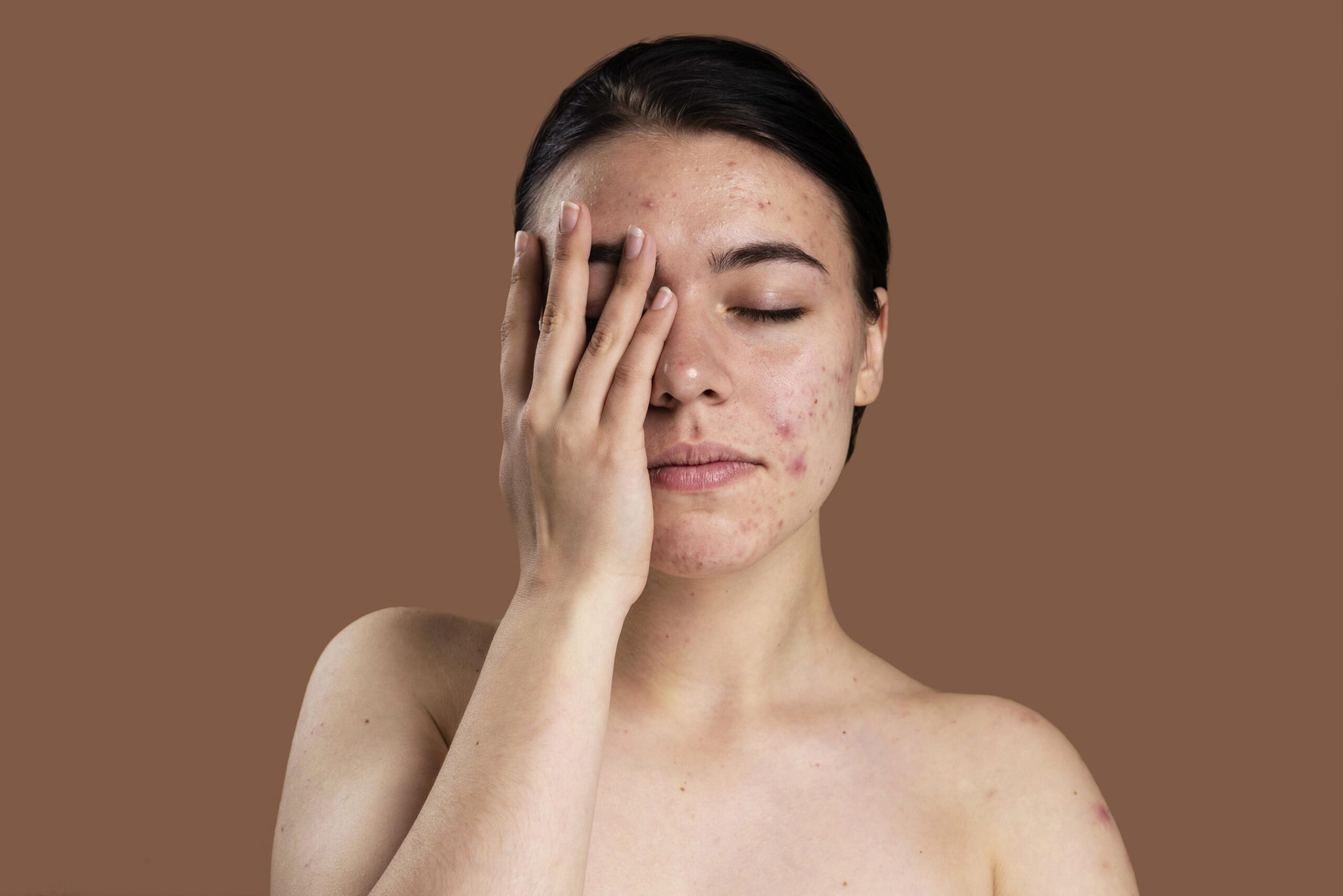
- Post inflammatory pigmentation This develops after acne, injury, eczema, or any skin inflammation, leaving behind a dark mark where the original issue has already healed. It’s extremely common after acne specifically, and is often mistaken for active acne scarring.
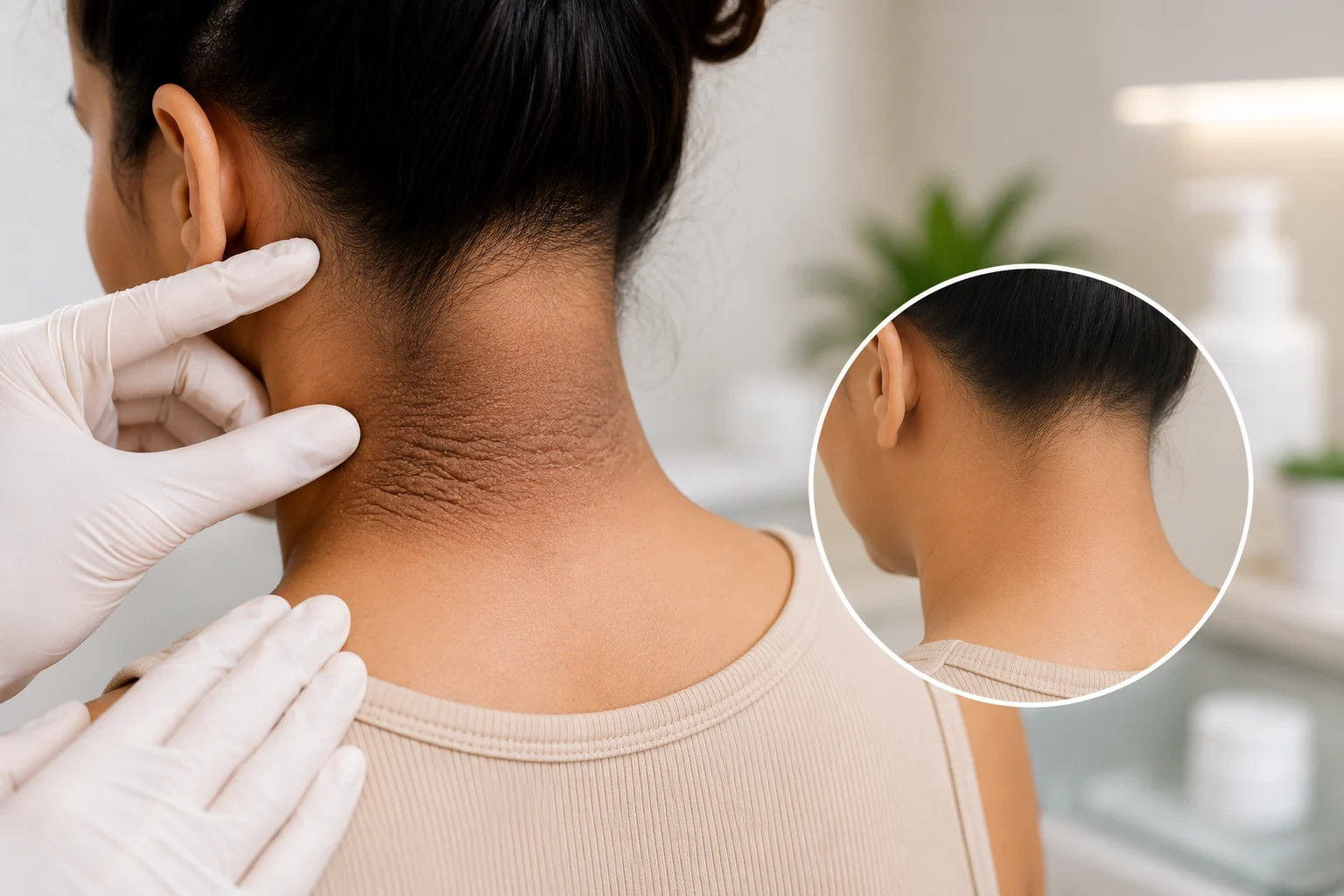
- Friction and habit related pigmentation Repeated friction or rubbing, such as on the neck, underarms, or inner thighs, can cause localised darkening over time, separate from sun or hormonal causes.
- Underlying skin or systemic conditions In some cases, pigmentation can be linked to conditions affecting thyroid function or other systemic factors, which is why persistent, unexplained pigmentation deserves a proper medical evaluation rather than just topical treatment.
Why Generic Creams Often Don’t Work?
Most over-the-counter pigmentation creams are formulated to address one mechanism, typically just melanin production, and apply the same approach regardless of whether the pigmentation is sun induced, hormonal, or post-inflammatory. If the underlying cause isn’t addressed, such as continued sun exposure without proper sunscreen, or ongoing hormonal triggers in melasma, the pigmentation often returns even after temporary improvement. This is the most common reason patients eventually seek out a proper cosmetic dermatology consultation after months of frustration with generic products.
How Pigmentation Is Actually Diagnosed and Treated?
A structured approach at a dermatology clinic typically includes:
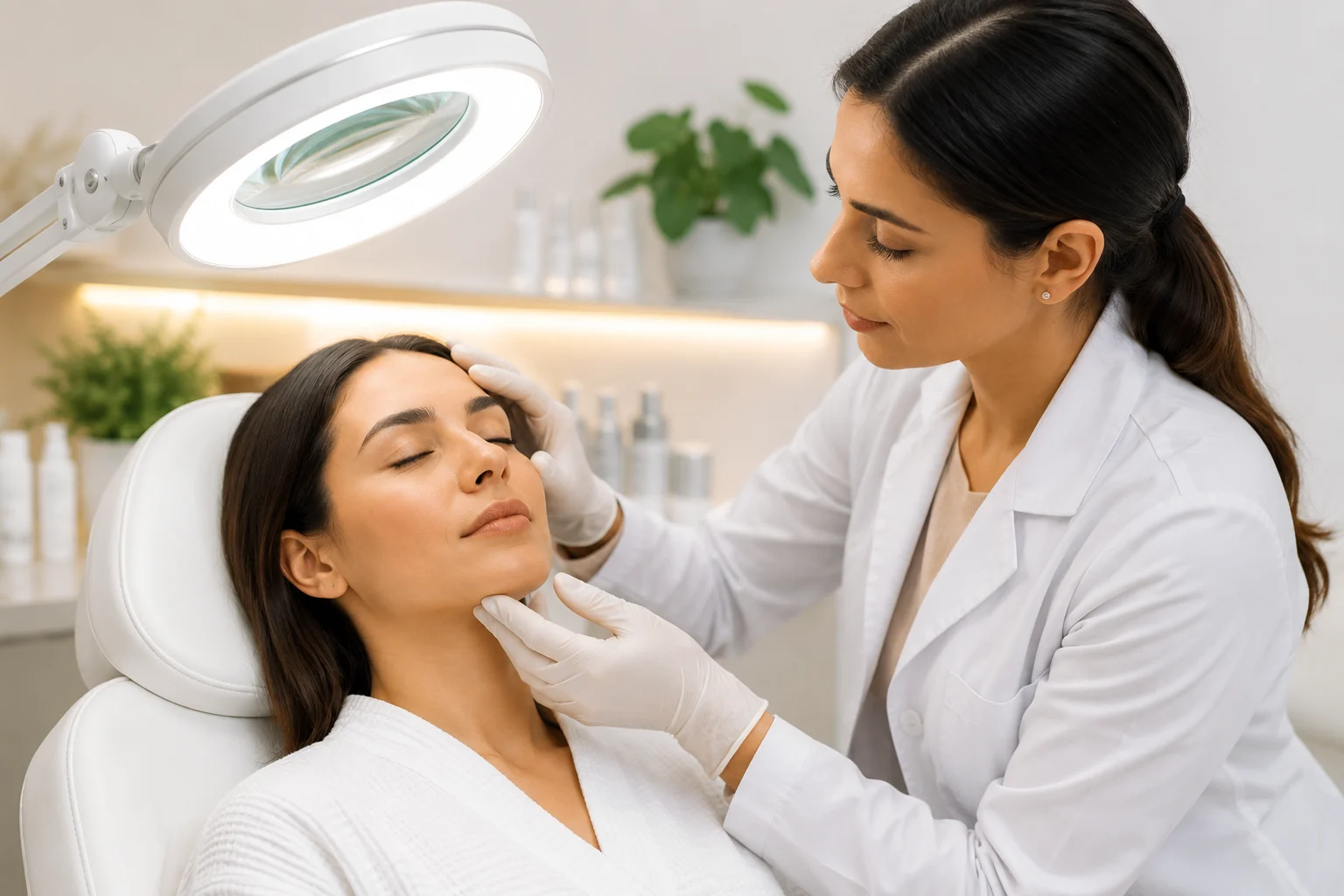
- Identifying the type of pigmentation Through clinical examination, sometimes supported by a dermatoscope, to determine whether the pigmentation is epidermal, dermal, or mixed, since this significantly affects treatment choice and expected timeline.
- Addressing the root cause first For melasma, this may include hormonal evaluation; for post-acne pigmentation, controlling active acne is essential before pigmentation itself can be effectively treated; for sun induced pigmentation, strict photoprotection is non-negotiable.
- Medical and in-clinic treatments Depending on the type and depth, treatment options can include prescription strength topical agents, chemical peels, and other in-clinic procedures under cosmetic dermatology, all chosen based on what’s actually driving the pigmentation rather than a generic protocol.
- Daily sun protection Regardless of the type of pigmentation, consistent sunscreen use is the single most important factor in both treating existing pigmentation and preventing it from returning or worsening.
What Makes a Real Difference in Treatment Outcomes
At Dr. Prratyush More’s clinic in Vasant Vihar, Thane West, pigmentation cases are assessed individually rather than treated with a standard, one size fits all kit. Treatment plans are built around the specific type and cause of pigmentation, with clear, honest expectations set from the start, since pigmentation treatment is almost always a gradual process measured in weeks and months, not days.
When to See a Dermatologist for Pigmentation
Consider a consultation if:
- Pigmentation hasn’t improved despite months of consistent skincare and sun protection
- The patches are spreading, changing shape, or darkening further
- You suspect hormonal involvement, such as pigmentation that appeared during pregnancy or after starting birth control
- You want a proper, medically guided treatment plan rather than continuing to try products at random
FAQs
- Can pigmentation go away completely? In many cases, significant improvement is possible with the right diagnosis and consistent treatment, though some types, particularly melasma, tend to be more stubborn and require ongoing maintenance and strict sun protection.
- Is sunscreen really necessary if I already have pigmentation? Yes, it’s the single most important step. Without consistent sun protection, even effective treatments will show limited results, and existing pigmentation is likely to darken further with continued sun exposure.
- How long does pigmentation treatment usually take to show results? Most pigmentation treatments require several weeks to a few months of consistent use before visible improvement appears, since melanin clearance and skin renewal are naturally gradual processes.
- Can acne scars and pigmentation be treated at the same time? Yes, though the approach needs to be carefully sequenced, since active acne should generally be controlled first, after which pigmentation and any remaining texture concerns can be addressed more effectively.
- Are home remedies like lemon juice safe for pigmentation? Generally not recommended, since lemon juice and similar acidic home remedies can irritate the skin and sometimes worsen pigmentation, particularly with sun exposure, rather than improving it.