
― PAEDIATRIC TRICHOLOGY
Paediatric Trichology —
Hair Care for Children
Specialised, compassionate care for hair loss and scalp conditions in children — from newborns to teenagers. Clinical expertise with a gentle, child-friendly approach.
Alopecia Areata in ChildrenTinea CapitisScalp InfectionsNutritional Hair Loss
Why patients choose Dr. Prratyush More
✓ Clinical Hair Revolution
Non-invasive — no needles, no discomfort
✓ Child-Friendly Consultation
Warm, gentle approach — child and parent both involved
✓ Paediatric-Safe Treatments Only
Age-appropriate dosages & safe formulations always
✓ Written Parent Guidance
Clear, simple written guidance after every visit
― WHAT IS IT
What is Paediatric Trichology?
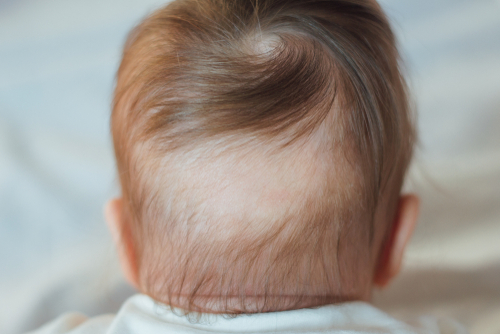
Children have distinct hair biology, immune profiles, and psychosocial needs compared to adults. A child losing hair is not just a medical problem — it is a deeply distressing experience for both the child and their family. Paediatric trichology addresses this with clinical precision and genuine sensitivity.
Dr. More’s approach combines hair analysis, targeted investigations, and age-appropriate treatment with a genuinely child-friendly consultation style.
Newborns to Teenagers · All Hair & Scalp Conditions
Comprehensive paediatric trichology for all ages — from neonatal hair loss to adolescent alopecia — in a warm, child-friendly environment.
― CONDITIONS WE TREAT
Paediatric Hair & Scalp Conditions
From common alopecia areata to rare congenital disorders — Dr. More manages the full range of hair and scalp conditions affecting children of all ages.
Alopecia Areata
Most common patchy hair loss in children — autoimmune.
Alopecia Areata
The most common cause of patchy hair loss in children. An autoimmune condition causing round bald patches — single or multiple. Prognosis is generally better in children than adults. Dr. More assesses extent, duration, and trichoscopy findings to determine the most appropriate treatment.
Tinea Capitis (Scalp Ringworm)
Fungal infection — commonest hair loss cause in children in India.
Tinea Capitis (Scalp Ringworm)
A fungal infection causing patchy hair loss with scaling and inflammation. The most common cause of hair loss in school-age children in India. Requires systemic antifungal therapy — not topical treatment alone. KOH mount confirms diagnosis before treatment initiation.
Nutritional Deficiency Hair Loss
Iron, vitamin D, B12, zinc — frequently overlooked in children.
Nutritional Deficiency Hair Loss
Iron, vitamin D, B12, zinc, and protein deficiencies are important and often overlooked causes of hair thinning and shedding in children. Common in fussy eaters, growing teenagers, and girls with early menstrual cycles. Identified with targeted blood investigations and treated with appropriate supplementation.
Trichotillomania (Hair Pulling)
Compulsive hair pulling — needs compassionate, careful management.
Trichotillomania (Hair Pulling)
A body-focused repetitive behaviour disorder where children compulsively pull their own hair — often unconsciously. Requires a non-judgmental, supportive approach. Dr. More works collaboratively with families, provides guidance on behaviour management strategies, and coordinates with psychological support when appropriate.
Neonatal & Infant Hair Loss
Hair loss in newborns — most often benign and self-resolving.
Neonatal & Infant Hair Loss
Hair loss in newborns and infants is common and often benign — telogen effluvium neonatorum typically resolves spontaneously by 6 months. However, persistent or unusual infant hair loss patterns warrant trichoscopy to exclude rarer conditions. Dr. More distinguishes reassuringly between normal and concerning presentations.
Other Scalp Conditions in Children
Seborrheic dermatitis, psoriasis, loose anagen syndrome.
Other Scalp Conditions in Children
Seborrheic dermatitis, psoriasis, lichen planopilaris, and loose anagen syndrome are among the less common but important scalp conditions affecting children. Each has a distinct trichoscopic pattern, different treatment approach, and different prognosis. Accurate diagnosis avoids ineffective treatment.
Alopecia Totalis & Universalis
Extensive autoimmune hair loss — requires specialist management.
Alopecia Totalis & Universalis
More extensive forms of autoimmune alopecia affecting the entire scalp or body. These conditions require specialist-level management with systemic therapies. Dr. More provides evidence-based treatment options and ongoing monitoring — with honest discussion of realistic outcomes for each child.
Congenital Hair Disorders
Structural hair abnormalities present from birth.
Congenital Hair Disorders
Rare conditions affecting hair shaft structure — monilethrix, pili torti, trichorrhexis nodosa, and others. These are diagnosed with trichoscopy and hair shaft microscopy. Although many cannot be cured, Dr. More provides accurate diagnosis, appropriate management, and family counselling.
Telogen Effluvium in Children
Diffuse shedding after illness, stress or nutritional shock.
Telogen Effluvium in Children
Excessive generalised hair shedding triggered by high fever, illness, surgery, emotional stress, or rapid weight change in children. Self-limiting in most cases but can persist if the underlying trigger is not identified and corrected. Trichoscopy and targeted investigations identify the cause precisely.
― OUR PROCESS
How We Approach Children’s Hair Loss?
A child-first approach — clinically rigorous, completely painless where possible, and always involving the parent at every step.
01
Child-Friendly Consultation
Comprehensive History with Parent & Child
Both child and parent are involved. Dr. More takes a detailed history while ensuring the child is comfortable and not anxious. Onset, pattern, associated symptoms, diet, recent illnesses, family history, and school stressors are all explored. No rush. No intimidation.
02
Painless Scalp Analysis
Hair Analysis — Non-Invasive, Completely Painless
Completely painless dermoscopic scalp examination — gentle placement of the device only. No needles, no scraping, no discomfort. Provides high-magnification images of scalp and hair follicles, enabling accurate diagnosis without invasive procedures in most cases.
03
Investigations
Age-Appropriate Investigations When Required
Blood tests are ordered only when clinically necessary and minimised to reduce distress. A small, targeted panel based on clinical findings. Where possible, investigations are phased to avoid multiple needle sticks. Results are explained clearly to both parent and child.
04
Treatment
Age-Adjusted Treatment Protocol
Treatment is carefully adapted to the child’s age, weight, and ability to comply. Medications are prescribed at paediatric dosages with child-appropriate safety profiles. Application methods, formulations, and follow-up schedules are designed around the child’s routine — not adult protocols.
05
Parent Guidance
Detailed Parent Education & Support
Written guidance covering the diagnosis in plain language, the treatment plan, what to expect, potential side effects, red flags to watch for, and when to return. Parents leave every consultation confident and informed — not confused or anxious. Dr. More is accessible for questions between visits.
― TREATMENT OUTCOMES
What You Can Expect?
Honest, realistic outcomes for children’s hair conditions — clearly communicated to both parents and child at every stage.
Accurate Diagnosis from First Visit
Hair analysis combined with clinical examination identifies the cause of hair loss in children reliably at the first consultation — no expensive guesswork.
Regrowth in Most Alopecia Cases
For limited alopecia areata, the majority of children achieve significant or complete regrowth with appropriate treatment. Early intervention improves outcomes.
Complete Cure in Tinea Capitis
With correct systemic antifungal therapy, tinea capitis is completely curable. Full hair regrowth typically occurs within 8–12 weeks of completing treatment.
Reassurance for Child & Family
A clear diagnosis with a structured treatment plan significantly reduces anxiety in both child and parent — replacing fear with understanding and a clear path forward.
― WHY DR. PRRATYUSH MORE
Why Choose Us for Your Child’s Hair Care?
Painless hair analysis, paediatric-safe treatments, and parent-inclusive consultations — specialist care for children in Vasant Vihar, Thane West.
Clinical Expertise.
A Gentle, Child-First Approach.
Children are not small adults — and their hair conditions require a fundamentally different approach. Dr. More combines specialist trichological expertise with a genuinely child-friendly consultation style, ensuring both the child and parent feel heard, reassured, and confident in the treatment plan.
Painless Hair Analysis for Children
Non-invasive dermoscopic examination is completely painless — no needles, no scraping. Provides diagnostic information that significantly reduces the need for invasive scalp biopsies in most paediatric cases.
Certified Dermatology Specialist
Paediatric trichology requires specialist dermatological training — beyond the scope of a general paediatrician. Dr. More brings 14+ years of clinical expertise with dedicated paediatric dermatology experience.
Safe, Paediatric-Appropriate Treatment
All medications prescribed at verified paediatric dosages with safety profiles appropriate for each age group. No adult formulations applied to children. No treatments without clinical justification.
Parent-Inclusive Consultation
Parents are fully involved, thoroughly briefed, and encouraged to ask questions at every consultation. Written guidance is provided in plain language so families can follow the treatment plan with confidence.
Sensitive to Psychological Impact
Hair loss significantly impacts a child’s self-esteem and social confidence. Dr. More addresses the psychological dimension at every consultation — providing reassurance, age-appropriate explanation, and support.
Dual Skin & Hair Expertise
Children with hair conditions often have concurrent skin conditions — eczema, psoriasis, or fungal infections affecting both skin and scalp. Dr. More’s combined dermatology expertise allows comprehensive management in one consultation.
― COMMON QUESTIONS
Frequently Asked Questions
Answers to the questions parents ask most frequently about children’s hair loss and scalp conditions.
My child has bald patches — should I be worried?
Patchy hair loss in children is most commonly alopecia areata (autoimmune) or tinea capitis (fungal infection) — both of which are treatable. The key is accurate diagnosis. A trichoscopy at the first consultation typically identifies the cause without the need for biopsy. Seek a specialist consultation early — earlier treatment generally means better outcomes.
Is alopecia areata in children permanent?
Not necessarily. For limited alopecia areata in children, the prognosis for significant regrowth is considerably better than in adults. The majority of children with one or two patches experience significant or complete spontaneous regrowth or regrowth with treatment. More extensive alopecia has a less predictable prognosis — which Dr. More discusses honestly at consultation.
Does tinea capitis need oral medication?
Yes — tinea capitis requires systemic antifungal treatment. Topical antifungals alone are insufficient as the infection involves deep hair follicles that topical agents cannot reach. Griseofulvin or terbinafine are the treatments of choice depending on the fungal species identified. A full course is essential — incomplete treatment leads to recurrence.
Can nutritional deficiency cause hair loss in children?
Yes. Iron deficiency is particularly common — especially in girls with early or heavy menstrual cycles, and in children with restricted or fussy diets. Vitamin D, B12, zinc, and protein deficiencies also contribute. Dr. More orders a targeted blood panel when nutritional deficiency is clinically suspected — not as a routine expense.
My toddler pulls her hair out. What should I do?
Hair pulling in toddlers is often a self-soothing behaviour that may resolve with gentle redirection and reassurance — without medical intervention. Persistent or compulsive hair pulling in older children warrants assessment. Dr. More provides honest guidance on distinguishing normal behaviour from trichotillomania and advises on appropriate next steps without creating unnecessary alarm.
At what age can Growth Factor Therapy be given?
Growth Factor Therapy is generally reserved for adolescents, typically from age 16, with significant alopecia areata or other hair loss conditions where the clinical benefit is established. For younger children, topical and systemic treatments appropriate to their age are used. All in-clinic procedures for children are evaluated individually based on age, condition, and clinical need.
How long does hair loss treatment take in children?
Tinea capitis: typically 8–12 weeks of antifungal therapy with hair regrowth following treatment completion. Alopecia areata: variable — some children respond within 3–4 months, others require longer-term management. Nutritional deficiency: improvement in shedding within 3–6 months of correcting the deficiency. Timelines are discussed honestly at the first consultation.
Should I see a paediatrician or a dermatologist for my child's hair loss?
For skin and hair-specific conditions — alopecia areata, tinea capitis, scalp psoriasis, or trichotillomania — a dermatologist with paediatric expertise is the most appropriate specialist. A paediatrician manages general childhood health but is not trained in trichoscopy, dermoscopy, or specialist hair loss management. Dr. More provides dedicated paediatric trichology consultations.
― Patient Stories
Trusted by Our Patients
Real experiences from real patients in Thane. Here’s what they say about their journey with Dr. Prratyush More.