What Is It

What is Dermato-Surgery?

Dermato-surgery encompasses surgical procedures performed by a dermatologist for conditions requiring surgical intervention — excision of benign and suspicious lesions, biopsy, electrocautery, radiofrequency surgery, and reconstruction of surgical defects.

At Dr. More's clinic, all procedures are performed under local anaesthesia in a fully equipped, sterile minor procedure room. Every case is preceded by thorough clinical evaluation including clinical assessment of pigmented lesions.

Cosmetic outcome is always considered alongside clinical necessity. Incision planning, suture technique, and post-operative care are optimised for minimal, well-healed scars.
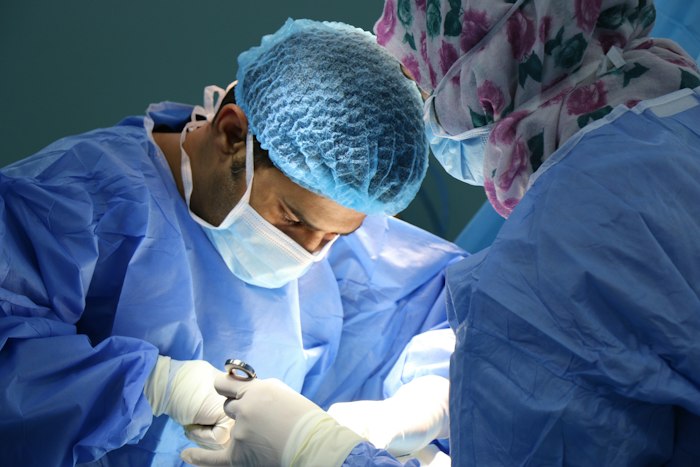
Dermato-surgery procedure room Thane
Procedures We Perform

Dermato-Surgical Procedures at Our Clinic

Minor surgical procedures performed with precision, under local anaesthesia, in a fully sterile environment — with careful attention to cosmetic outcome.

🫧

Sebaceous & Epidermoid Cyst Excision

Complete surgical excision of the cyst sac — the only definitive treatment preventing recurrence. Precise elliptical excision ensures complete sac removal, with closure techniques optimised for minimal visible scarring.

🔵

Mole Removal & Skin Biopsy

Pigmented lesions assessed using dermoscopy before any intervention. Suspicious lesions excised with appropriate margins and sent for histopathology. Benign moles removed with shave excision or CO2 laser — minimising visible scars.

🟤

Wart & Molluscum Treatment

Electrocautery, cryotherapy, radiofrequency ablation, or chemical destruction — treatment selected based on lesion type, size, location, and patient age for clearance with minimum discomfort.

🔴

Keloid & Hypertrophic Scar Treatment

Multimodal approach: surgical excision combined with intralesional corticosteroid injections and adjuvant pressure therapy. Post-surgical protocol is critical for preventing recurrence — planned in detail before the procedure.

🏷️

Skin Tag Removal

Skin tags removed quickly using electrocautery or scissors excision under topical or local anaesthesia. Multiple lesions treated in a single session.

Our Process

The Dermato-Surgical Process

Every surgical procedure is planned carefully, performed precisely, and followed up thoroughly.

01
Pre-Surgical Assessment

Clinical Evaluation & Clinical Assessment

Every lesion is evaluated clinically and dermoscopically before any procedure. Diagnosis, surgical plan, expected scar, and risks are discussed in full. Informed consent obtained without exception.

02
Preparation

Sterile Setup & Local Anaesthesia

Procedures performed in a fully sterile minor procedure room. Local anaesthesia administered for complete comfort. Surgical antiseptic technique applied to the procedure area.

03
Procedure

Precise Surgical Excision

Technique selected based on lesion type, size, depth, and location — with cosmetic outcome as a constant consideration. Incisions follow relaxed skin tension lines.

04
Histopathology

Specimen Sent for Histopathology When Indicated

Any excised tissue with diagnostic uncertainty is sent for histopathological examination. Results reviewed by Dr. More and communicated clearly with implications for further management.

05
Post-Operative Care

Wound Care & Scar Management

Written wound care instructions, suture removal appointment, and post-operative scar management provided. Follow-up scheduled to assess healing and address any concerns.

Treatment Outcomes

What You Can Expect

Honest, realistic outcomes based on 14+ years of clinical practice and thousands of successfully treated patients.

Complete Lesion Removal in Single Session

For most benign lesions — cysts, skin tags, warts — complete excision achieved mostly in a single session with no recurrence when performed correctly.

🔬

Accurate Histopathological Diagnosis

Excised tissue analysed histopathologically where indicated — ensuring any unexpected findings are identified and managed appropriately.

🌱

Well-Healed, Minimal Scarring

Careful surgical planning, appropriate closure techniques, and structured post-operative scar management result in thin, well-healed scars in the vast majority of cases.

🔒

Prevention of Recurrence

Complete removal of the entire lesion (including capsule for cysts) and appropriate adjuvant therapy for keloids minimises recurrence risk significantly.

Why Dr. Prratyush More

Why Choose Dr. More for Dermato-Surgery

Surgical precision, complete lesion removal, and optimal cosmetic outcomes.

⚕️

Board-Certified Dermatological Surgeon

Full training in dermatological surgical techniques — a dedicated skin specialist with surgical expertise, not a general surgeon treating skin lesions as a secondary activity.

🔬

Dermoscopy Before Every Pigmented Lesion

Dermoscopic assessment distinguishes benign from suspicious lesions — ensuring appropriate surgical margins and timely diagnosis of early skin cancers.

🏥

Fully Sterile Minor OT Environment

All procedures performed in a clinical-grade, sterile procedure room with full infection control standards. Non-negotiable for patient safety.

🌱

Cosmetic Outcome Always Considered

Incision placement, closure technique, and post-operative scar management are planned to optimise cosmetic result alongside clinical objective.

🔒

Complete Excision — Not Partial Removal

Incomplete removal of cysts or keloids leads to rapid recurrence. Complete lesion removal eliminates the clinical indication — not just temporarily reduces it.

📋

Histopathological Confirmation When Indicated

Excised tissue sent for pathological examination when clinically appropriate — ensuring accurate tissue diagnosis and identifying unexpected findings.

Common Questions

Dermato-Surgery — FAQs

Common questions about surgical procedures, recovery, and scarring.

Is the procedure painful?

+

Local anaesthesia is administered before every procedure — the surgical site is completely numb before the first incision. You will feel pressure and movement but no pain. Post-operative discomfort is typically mild and managed with standard analgesics.

Will there be a visible scar?

+

Any incision through skin will leave a scar. The goal of dermato-surgical technique is ensuring the scar is thin, well-healed, and blends well with surrounding skin. Factors including lesion location, skin type, and post-operative care compliance significantly influence the final scar appearance.

How long does it take for the wound to heal?

+

Small excisions typically heal within 7–14 days, with suture removal at 7–14 days depending on site. Full scar maturation takes 3–6 months. Written post-operative wound care and scar management instructions are provided after every procedure.

I have a cyst that keeps getting infected — what should I do?

+

An actively infected cyst should not be excised acutely. Correct management is incision, drainage, antibiotics, and allowing inflammation to settle before definitive excision. Dr. More treats active infection appropriately and plans definitive surgical excision once healed.

Can skin tags be removed without surgery?

+

Yes. Skin tags are effectively treated with electrocautery, radiofrequency ablation, or scissors excision under topical or local anaesthesia. Multiple skin tags can typically be treated in a single session.

Do keloids grow back after surgery?

+

Keloids have a high recurrence rate after simple surgical excision alone. Multimodal treatment — excision combined with intralesional corticosteroid injections and/or pressure therapy — significantly reduces recurrence. Dr. More plans keloid treatment comprehensively with a structured post-operative protocol.

Patient Stories

What Our Surgery Patients Say

Real experiences with cyst removal, lipoma excision, mole removal and dermato-surgical procedures at our Thane clinic.

Dr. Prratyush More
4.9
★★★★★
50+ Google reviews
powered by 
Review us on Google

Ready to Get Clear, Healthy Skin?

Book a consultation with Dr. Prratyush More — Thane’s most trusted Board-Certified Dermatologist. Same-day appointment confirmation.

WhatsApp Call Now